
Before You Book a Hotel Jacuzzi, Keep the Jets Off If You Use Bath Bombs
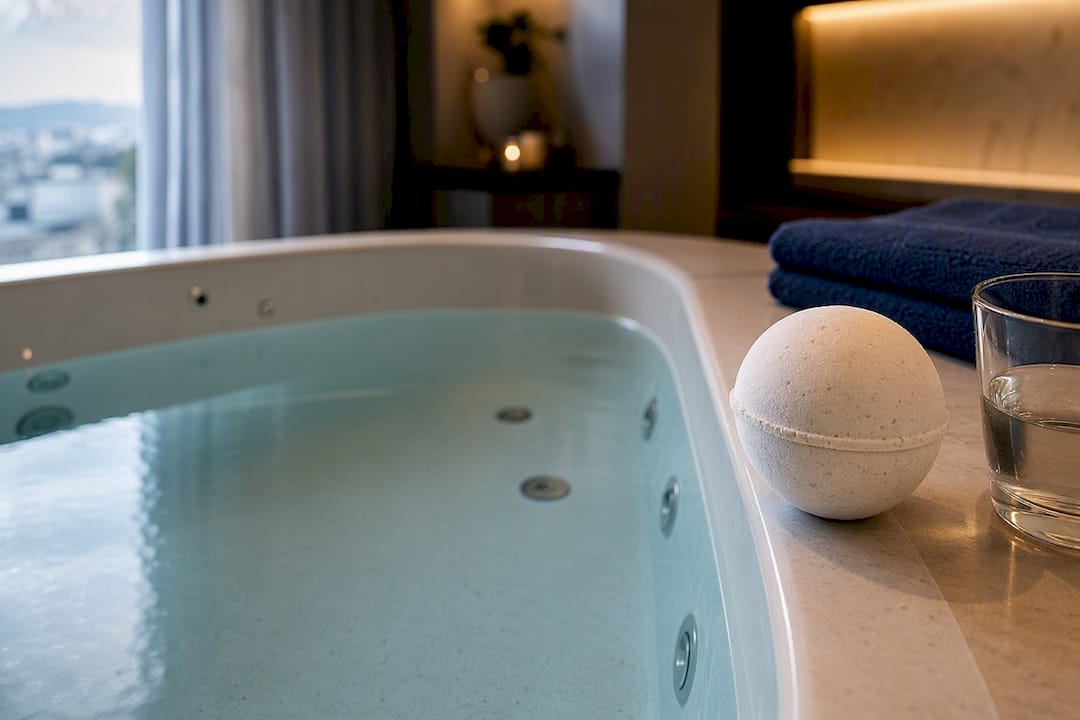
Short answer: skip the bath bomb if you plan to run the jets. Bath bombs release oils, dyes, glitter, and surfactants that clog filters, foam up fast, and throw off water chemistry in circulating tubs. The one-line rule for hotel guests is simple: dissolve any bath product only in still water, and never turn on the jets while it’s in there.
TL;DR:
- Bath bombs, especially glitter, oils, and dyes, are likely to clog filters, nozzles, and tubing, causing costly damage and emergency repairs.
- Using bath bombs with circulation jets increases the risk of foam overflow, filter blockage, and water chemistry disruption, which can lead to unplanned maintenance.
- Hotel policies restrict bath bombs to prevent plumbing issues and warranty voids, often offering curated alternatives like approved bath products or mineral soaks.
- When using jetted tubs, always dissolve safe products in still water first, keep jets off during use, and limit soak time to prevent residue buildup.
- Verifying the tub type and product permissions before booking helps avoid surprises and reduces the risk of damage or service interruptions.
Table of Contents
- Can You Use Bath Bombs in a Hotel Jacuzzi or Jetted Tub?
- How Bath Bombs Damage Jetted Tubs: Signs and Failure Modes
- Which Bath Bombs Put Your Jetted Tub at the Most Risk
- Why Hotels Restrict Bath Bombs and What That Means for Warranty Coverage
- What to Do If a Bath Bomb Was Already Used in the Jets
- Spa-Safe Alternatives That Won’t Wreck the Plumbing
- A Practical Way to Enjoy a Soak Without Damaging Anything
- Why Hotel Hot Tubs Pushes Readers to Check the Fine Print First
- Book a Verified Jacuzzi Room Instead of Gambling on Amenity Descriptions
- Sources
- FAQ
Can You Use Bath Bombs in a Hotel Jacuzzi or Jetted Tub?
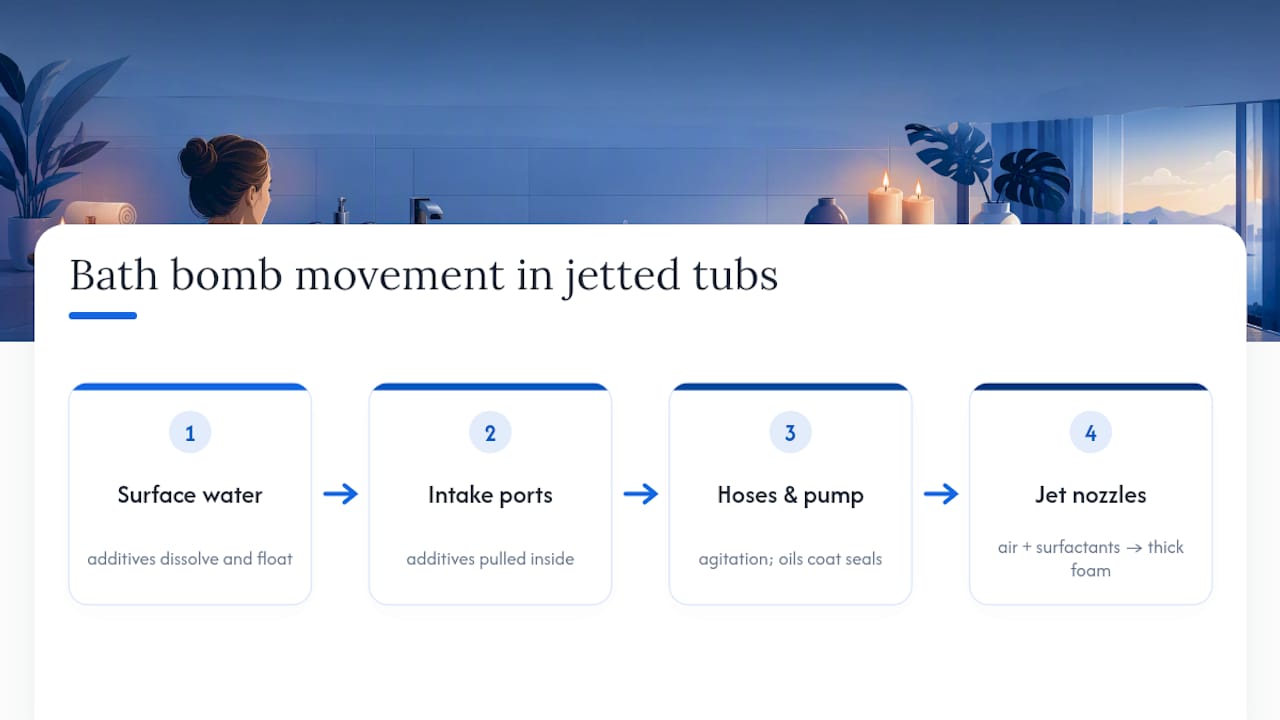
A jetted tub isn’t just a bathtub with a fancy name. It pulls water through intake ports, pushes it through hoses and jet nozzles, and often recirculates it through a small pump and heater assembly. A standard soaking tub, by contrast, just holds water until you pull the plug. That difference is the entire reason bath bombs behave so differently in each one.
In a still bath, the oils, dyes, and fizzing minerals in a bath bomb dissolve, float on top, and drain away when you’re done. In a jetted system, that same mixture gets pulled into narrow plumbing, agitated at speed, and forced through small nozzles designed for plain water. Surfactants (the ingredients that make bath bombs foam) whip into thick, persistent bubbles the moment jets introduce air into the mix. Oils and butters coat the inside of hoses and pump seals. Dyes and glitter settle into low spots in the plumbing where a garden hose flush can’t reach them. Salts can be fine in a still tub, but combined with circulating water, they add another layer of residue for the pump to push around.
There’s also the sanitizer problem. Hotel and most private jetted tubs rely on chlorine, bromine, or a mineral system to keep bacteria in check. Oils and heavy fragrance loads bind to sanitizer molecules and use them up, which means the water that’s supposed to be treated may not be treated at all by the time your soak is over. Manufacturer guidance from Jacuzzi specifically warns that oils and additives common in bath bombs interfere with sanitization and can clog jet plumbing, which is why the company advises against using them at all.
Some people assume a “clean” bath bomb, one without dye, glitter, or oil, is fair game. It’s a fair question, and the honest answer is: it’s lower risk, not no risk. Even a simple citric acid and baking soda fizzer releases fine particulate as it dissolves, and any fragrance oil, however light, still behaves like an oil once it hits a spinning jet pump. If the tub has jets and you plan to use them, a single-ingredient product doesn’t fully solve the underlying mechanical problem. The safest move is still to keep the jets off entirely if you’re using any bath additive beyond plain water.
How Bath Bombs Damage Jetted Tubs: Signs and Failure Modes
The damage isn’t hypothetical, and it isn’t limited to a slightly cloudy tub. Spa maintenance teams see a fairly consistent pattern of failures tied directly to bath bombs and similar additives, and the technical breakdown from Joye Spa covers exactly how each ingredient causes its own kind of trouble.
Here’s what tends to go wrong, roughly in the order guests and hotel staff notice it:
- Foam overflow that won’t quit. Surfactants combined with moving jets create bubbles that keep regenerating for hours, sometimes overflowing the tub rim onto bathroom floors.
- Clogged filters and jet nozzles. Oils, butter-rich additives, glitter, and any insoluble botanical bits (rose petals, oatmeal, dried flowers) get trapped in filter cartridges and the narrow jet openings, reducing water flow and forcing the pump to work harder.
- Disrupted water chemistry. Fragrance oils and dyes bind to chlorine or bromine, depleting the sanitizer faster than normal and leaving cloudy or improperly treated water behind.
- Staining on acrylic and fiberglass surfaces. Bright dyes and mica particles can leave a tint on tub walls, especially on lighter-colored acrylic, and it doesn’t always scrub out.
- Pump and heater strain. Residue that isn’t caught by the filter eventually reaches the pump seals and heating element, where it can cause premature wear.
Any one of those on its own is annoying. Stacked together, they add up to real money. Spa operators note explicitly that using unapproved chemicals or additives can void manufacturer warranties, and repairing a damaged pump or heater assembly is not a cheap fix. For a hotel running dozens of in-room jetted tubs, one contaminated unit means a maintenance call, a drained and flushed system, and potentially a room out of rotation during a busy weekend. For a homeowner, it can mean an out-of-warranty repair bill that a five-dollar bath bomb absolutely wasn’t worth.
The frustrating part is that none of this shows up immediately. A guest might enjoy a perfectly nice thirty-minute soak, check out the next morning, and never know that the next three guests dealt with foam surging out of the jets or a filter so clogged the water barely circulated.
Which Bath Bombs Put Your Jetted Tub at the Most Risk
Not every bath bomb carries the same level of risk, and knowing what to look for on the label can save you (or the next hotel guest) a headache. Run through this list before tossing anything into a tub with working jets:
- Glitter and mica-based bombs. These are the worst offenders for permanent staining and for physically lodging in filter screens and jet nozzles, since glitter doesn’t dissolve, it just spreads.
- Oil-heavy or shea/cocoa butter-rich bombs. Anything marketed as “moisturizing” or “ultra-hydrating” usually means a heavier oil load, and that oil is exactly what coats pump seals and hose interiors.
- Deeply pigmented or brightly dyed bombs. Reds, purples, and neon colors are the most likely to leave a visible tint on acrylic surfaces, particularly in lighter-colored tubs.
- Bombs with solid inclusions or dried botanicals. Petals, seeds, oatmeal, or clay chunks don’t fully dissolve and end up as debris circulating through the plumbing.
- Anything labeled “extra fizzy” or “long-lasting foam.” That’s marketing language for a higher surfactant concentration, which is precisely the ingredient that turns jet action into a foam machine.
If you’re scanning an ingredient list, red flags include sodium laureth sulfate in high concentration, added glitter or “shimmer,” cocoa butter or shea butter near the top of the list, and any dye listed by an FD&C color number in a saturated shade. None of these are dangerous to touch or breathe, they’re just mechanically incompatible with circulating jets.
Why Hotels Restrict Bath Bombs and What That Means for Warranty Coverage
Hotels don’t ban bath bombs to be difficult. It’s a direct response to the maintenance math described above, and once you see it from the operator’s side, the policy makes a lot more sense.
Every clogged filter or foam overflow means a room goes offline. Someone has to drain the tub, clean or replace the filter, run diagnostic checks on the pump, and rebalance the water chemistry before the next guest can use it. During a fully booked weekend, that’s a room the property can’t sell, and industry guidance on commercial hot tub maintenance points to exactly this kind of downtime as a recurring cost driver for properties with in-room jetted units.
Warranty language plays into it too. Most jetted tub manufacturers, Jacuzzi included, specify approved cleaning products and additives in their care instructions, and using anything outside that list can void coverage on the pump, heater, or plumbing components. A hotel that lets guests dump unapproved products into every room’s tub is quietly accepting repair costs that a manufacturer won’t cover.
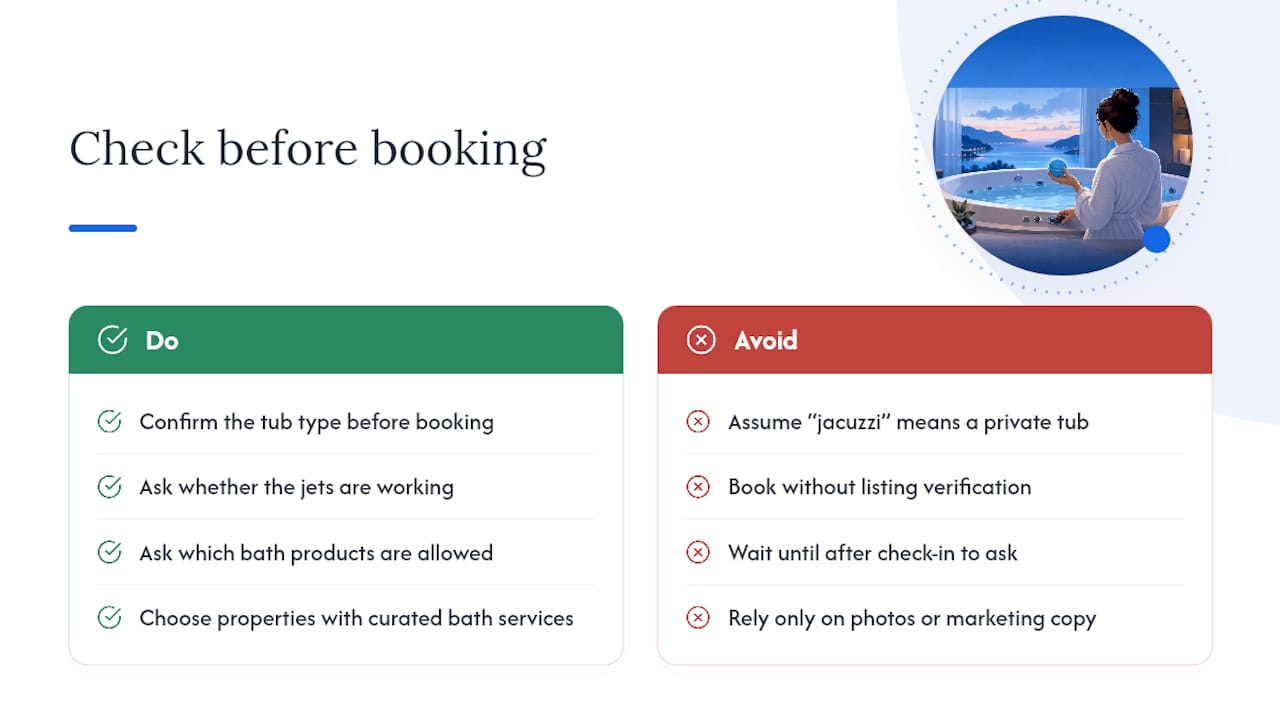
If you’re not sure what’s allowed at a specific property, a few quick questions to the front desk or host before you soak will settle it:
- “Are bath bombs or bath oils allowed in the room’s jetted tub?”
- “Does the tub have working jets, or is it a soaking tub only?”
- “Do you offer any approved bath products or a bath-drawing service?”
That last question matters more than people realize. A growing number of properties now offer curated in-room bath experiences instead of leaving it to guests to bring their own products. Hotel Valley Ho’s bathtub bottle service and Baker’s Cay Resort’s bubble bath valet are both examples of hotels pre-drawing a bath with vetted products, which sidesteps the entire guest-supplied-product risk while still delivering the experience people are after.
What to Do If a Bath Bomb Was Already Used in the Jets
If the jets already ran with a bath bomb in the water, don’t panic, but move quickly. Foam and residue get harder to fully clear the longer they sit in the plumbing.
- Turn off the jets immediately and look for foam at the surface, along the tub walls, or seeping from jet nozzles.
- Drain the tub completely. Don’t try to filter or “fix” contaminated water; it needs to go.
- Rinse the tub surface and any accessible filter cartridge under running water to remove visible residue before it dries.
- Run a fresh water flush. Fill with plain water, run the jets briefly, then drain again. Repeat this once or twice if you saw significant foaming.
- Follow the shock/sanitizer protocol your property or manufacturer recommends, since spa maintenance guidance specifically calls for restoring sanitizer balance after any foreign-substance contamination.
- Call maintenance if foam returns after the flush, or if the jets sound strained, weaker than normal, or make grinding noises. That’s a sign residue has reached the pump.
For hotel guests, this is also where documentation helps everyone. If you’re a guest who used a bath bomb and noticed a problem, telling the front desk right away, rather than leaving it for the next guest to discover, gets the room serviced faster and avoids any confusion about who’s responsible for the mess. If you’re a host or small property owner handling this yourself, a quick note in the maintenance log (date, product used, symptoms observed) makes it much easier to track whether a single incident or a repeat pattern is wearing down the pump.
Pro Tip: Keep a small bottle of plain white vinegar or a manufacturer-approved flush solution under the sink if your property has an in-room jetted tub. A quick flush cycle right after any suspected contamination is far more effective than waiting until the next scheduled cleaning.
Persistent foaming after two flush cycles, a pump that sounds noticeably strained, or any sign of motor failure means it’s time for a professional service call. Trying to push through a mechanical problem with more flushing usually just delays a repair that’s already necessary.
Spa-Safe Alternatives That Won’t Wreck the Plumbing
None of this means your soak has to be boring. There are plenty of ways to get the scent, the color, or the relaxation without introducing anything that clogs a jet pump.
- Herbal sachets or infusers. A mesh sachet filled with lavender, chamomile, or eucalyptus delivers scent without releasing any solids into circulating water.
- Epsom salts or single-mineral soaks, but only with the jets off and only if the property specifically allows it. Products like Sayhey Gifting’s Glow Bath Salts are a good example of a mineral-only soak that skips the oils, dyes, and glitter that cause most jetted-tub problems.
- Hotel-provided bath packages. Bubble bath valet services and pre-drawn bath experiences, like the one at Baker’s Cay Resort, give you a curated soak without the guesswork of bringing your own products.
- Plain bubble bath, used carefully. If you’re weighing bubble bath against a bath bomb, it’s worth reading up on whether bubble bath belongs in a jetted tub at all, since the surfactant issue overlaps significantly with bath bombs.
Oils, glitter, and heavily dyed products stay off the safe list no matter how the rest of your soak is set up. Even in small amounts, they’re the three ingredients most consistently tied to clogs, staining, and warranty disputes. If a product’s whole marketing pitch is “sparkly” or “silky,” treat that as a warning label, not a selling point.
A Practical Way to Enjoy a Soak Without Damaging Anything
You don’t have to skip the relaxing part of your stay to protect the tub. A few adjustments to how and when you use bath products make the difference between a great soak and a maintenance ticket.
Start by filling the tub with the jets off and letting any product, salt, sachet, or approved liquid essence, dissolve completely in still water first. This gives surfactants and oils time to disperse evenly instead of hitting moving jet mechanisms in concentrated form. If you’re trying a new product for the first time, drop a small amount into a cup of the bathwater and watch how it behaves before committing the whole bomb or packet. Heavy foaming or a strong oily sheen on the surface is your signal to skip it entirely.
Keep the soak itself reasonable, twenty to thirty minutes is plenty for the relaxation benefits most people are after, and resist the urge to switch the jets on “just for a minute” once a bath product is in the water. Even a brief burst of jet action is enough to pull residue into the plumbing. When you’re done, drain the tub and give the surface a quick rinse if you used any dyed or scented product, especially in a private home tub where you’re the one who’ll deal with any staining later.
And if you genuinely can’t tell whether a product is safe for the tub in front of you, ask. Front desk staff and hosts would much rather answer a quick question than deal with a service call the next morning. Many properties keep an approved products list for exactly this reason, and some will even offer a complimentary alternative if you ask.
Why Hotel Hot Tubs Pushes Readers to Check the Fine Print First
Most of the maintenance headaches described in this article trace back to one root problem: guests don’t know what kind of tub they’re getting until they’re already standing in front of it. That mismatch between expectation and reality is exactly what Hotelhottubs was built to eliminate.
Every listing on the platform is verified specifically for in-room jacuzzi amenities, rather than lumping “spa access” or a shared hotel hot tub in with a genuine private, in-room jetted tub. That distinction matters more than most travelers realize until they’ve booked a room advertised with a jacuzzi and found a plain soaking tub instead, or worse, a shared pool downstairs. Verification at the booking stage is the only real fix for that kind of surprise, and it’s also the moment to ask the questions this article covers: does the room’s tub have working jets, and what bath products, if any, does the property allow or provide?
My honest take is that the bath bomb question is really a symptom of a bigger gap in how hotel amenities get marketed. Photos and listing copy oversell “jacuzzi suites” constantly, and guests are left guessing what they’re actually walking into. Properties that offer curated bath services, like the bottle and valet examples mentioned earlier, tend to be more transparent about their tub setups generally, because they’ve already thought through the guest experience end to end. That’s a pattern worth paying attention to when you’re comparing options, not just a nice extra.
If you’re planning a stay built around an in-room soak, confirm the tub type and any product restrictions before you book, not after you’ve checked in.
— Logan Oneal
Book a Verified Jacuzzi Room Instead of Gambling on Amenity Descriptions
You’ve just read what happens when a mismatch between guest expectations and hotel plumbing turns into a maintenance mess. Hotelhottubs exists to prevent that mismatch from happening in the first place. Every listing on the site is checked specifically for a genuine in-room jacuzzi or private hot tub, not a shared pool area mislabeled as a spa amenity, so you know exactly what kind of tub is waiting for you before you ever pack a bath bomb.
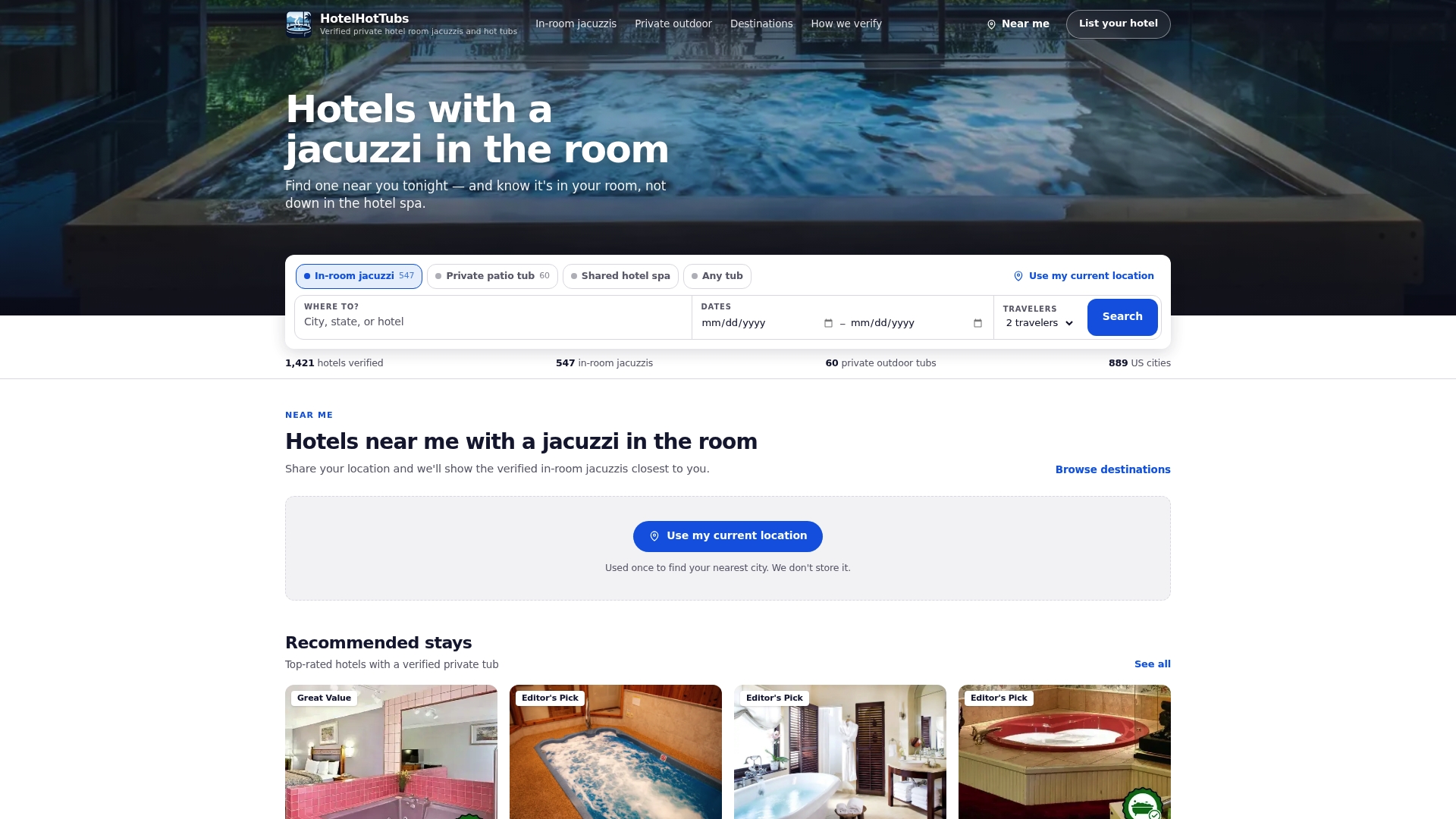
If a private soak is the whole point of your trip, start with a search built for that exact need. Browse verified rooms with private jacuzzis for a romantic weekend, or check budget-friendly options with in-room tubs under $250 if you’re watching costs. Once you’ve picked a property, call ahead and confirm which bath products the room allows, and ask whether the hotel offers an approved bath package instead of relying on whatever you packed. It takes two minutes and saves you the surprise of a clogged tub on night one.
Sources
Spa maintenance professionals and manufacturers largely agree on the mechanics here, even though they’re writing for different audiences. The Joye Spa breakdown of commercial hot tub maintenance covers the operational side: foam, clogging, and warranty exposure from an operator’s perspective. Luna Spas’ guidance on whirlpool tubs approaches the same issue from a homeowner angle, with practical alternative suggestions. And Jacuzzi’s own expert tips page is about as close to a manufacturer’s official position as you’ll find on this exact question, warning against bath bombs and pointing toward liquid spa essences instead.
FAQ
Can Bath Bombs Be Used in a Jacuzzi Tub?
Not safely if the jets will run. The oils, dyes, and surfactants in most bath bombs clog filters and jet nozzles and can disrupt water sanitizer levels, which is why manufacturer guidance advises against it.
How Do You Use a Jacuzzi Bathtub Safely in a Hotel?
Check with the front desk first about which bath products are allowed, fill the tub and let any approved product dissolve fully before turning on the jets, and keep soak times moderate. If the room includes a curated bath service, like a bottle or valet package, that’s typically the safest way to add fragrance or bubbles without risking the plumbing.
Is It Safe to Use Bubble Baths in Jetted Tubs?
Bubble bath carries some of the same surfactant risk as bath bombs, since foam production increases sharply once jets introduce air into the water. A closer look at using bubble bath in a jetted tub walks through when it’s reasonably safe and when it isn’t.
What Bath Products Can Be Used in a Jacuzzi?
Manufacturer-approved liquid spa essences, herbal sachets, and single-ingredient mineral soaks like Epsom salts are generally the safest choices, provided the jets stay off during use. Avoid anything with glitter, heavy oils, or strong dye, since those are the ingredients most likely to clog jets or stain surfaces.
Why Do Hotels Ban Bath Bombs in Jetted Tubs?
Bath bombs cause foam overflow, filter clogs, and sanitizer depletion that can take a room out of service for cleaning and repair. Since unapproved additives can also void manufacturer warranties on pumps and heaters, most properties restrict them as a straightforward cost and liability decision.