
Should You Ever Use Bubble Bath in a Jetted Tub?
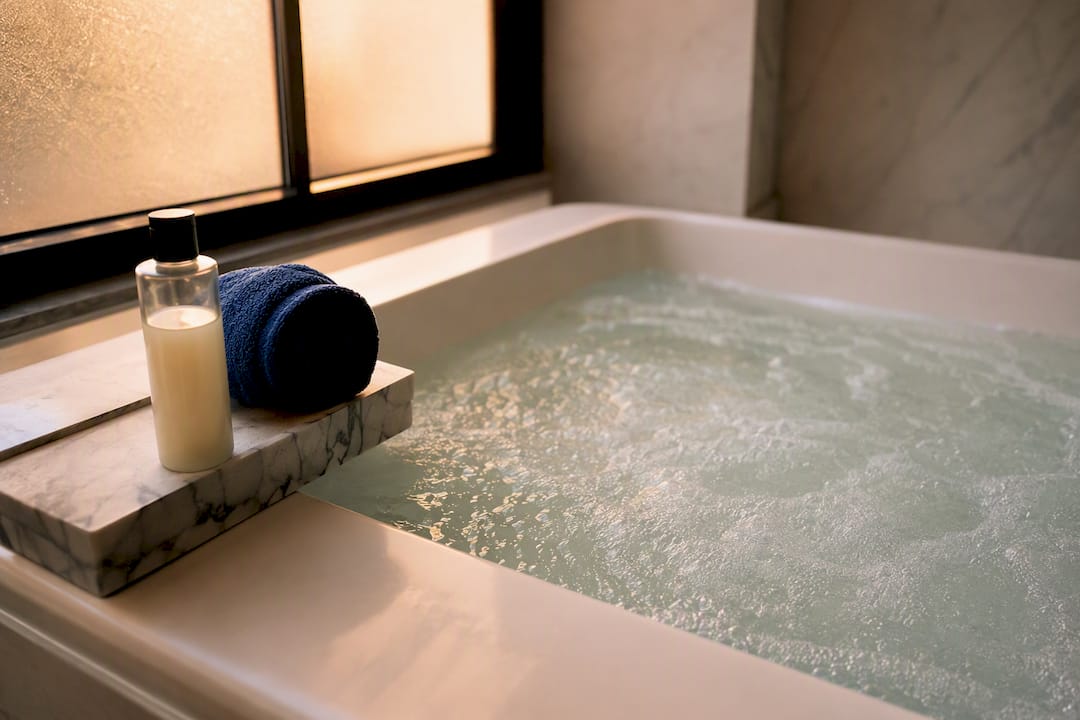
Skip the bubble bath in a jetted tub. Standard foaming formulas clog jets, coat pump seals, and can void your warranty in both indoor whirlpool tubs and outdoor hot tubs. If you want scent or relaxation, reach for spa-formulated crystals or plain Epsom salts instead. If foam already appeared, shut off the jets immediately before doing anything else.
TL;DR:
- Bubble bath formulas containing surfactants cause foam cascade effects, leading to excessive foam and oil residue that can damage pump seals and clog plumbing.
- Water-jet tubs recirculate water and are more vulnerable to damage from soap and oils than air-blower systems, which push air without recirculating water through the pump.
- Using low-foam, spa-safe products like crystals, salts, or essential oils reduces residue risk, but repeated exposure can still cause plumbing buildup over time.
- Turning off the jets immediately and applying a spa-safe defoamer is the best response to foam, followed by rinsing the filter and draining if foam persists.
- Most manufacturers warn against using bubble bath, soaps, or shampoos in jetted tubs to avoid voiding warranties and costly repairs from soap-related damage.
Table of Contents
- Why Bubble Bath Causes Problems in Jetted Tubs
- Water Jets vs. Air Blowers: Does It Change What’s Safe?
- Safer Alternatives to Regular Bubble Bath
- How to Use Bubbles in a Jetted Tub With Minimal Risk
- What to Do the Moment Foam Shows Up
- Cleaning Jets and Filters After Soapy Exposure
- What Tub Manufacturers Actually Say About Bubble Bath
- What Hotel Hot Tubs Hears From Travelers and Hosts
- The Real Lesson Here Isn’t About Bubbles
- Want the Soak Without the Guesswork?
- Sources
Why Bubble Bath Causes Problems in Jetted Tubs
Bubble bath relies on surfactants, chemical compounds that lower water’s surface tension so it traps air and forms foam. That’s exactly what you want in a bathtub with no jets. Turn on a pump that forces air and water through narrow nozzles, though, and those same surfactants get whipped into overdrive. OneHotTub calls this the “foam cascade effect”: a small amount of soap multiplies into far more foam than you added, because the jets aerate it continuously instead of just once.
That foam doesn’t just look silly overflowing the tub. It leaves behind an oily residue that travels through the plumbing every time you run the jets.
- Foam and oils cling to filter media, reducing water flow within a single use.
- Residue coats pump seals and impellers, straining the motor and shortening its life.
- Soap film builds up inside jet nozzles and hidden plumbing loops that never fully drain.
- Leftover surfactants continue releasing bubbles the next time the jets run, even with clean water.
There’s a meaningful split between how indoor jetted bathtubs and outdoor recirculating hot tubs handle this exposure. A jetted bathtub drains after every use, so at least the water carrying suds doesn’t sit and cycle for days. An outdoor hot tub recirculates the same several hundred gallons for weeks, which means any bubble bath added compounds daily, coating equipment and disrupting sanitizer chemistry with each cycle. Drainage doesn’t eliminate the risk in a jetted tub. It just slows the timeline. Soap residue trapped in plumbing lines that never fully empty can sit there for months, feeding foam every time you run a soak.
Bubble bath also throws off water balance. Most formulas shift pH and add dissolved solids that outdoor spas rely on sanitizer to manage. In a jetted bathtub without a sanitizer system, that’s less of a chemistry problem and more of a residue problem, but the effect on hardware is the same either way.
Water Jets vs. Air Blowers: Does It Change What’s Safe?
Not every jetted tub behaves the same way, and figuring out which type you have takes about ten seconds.
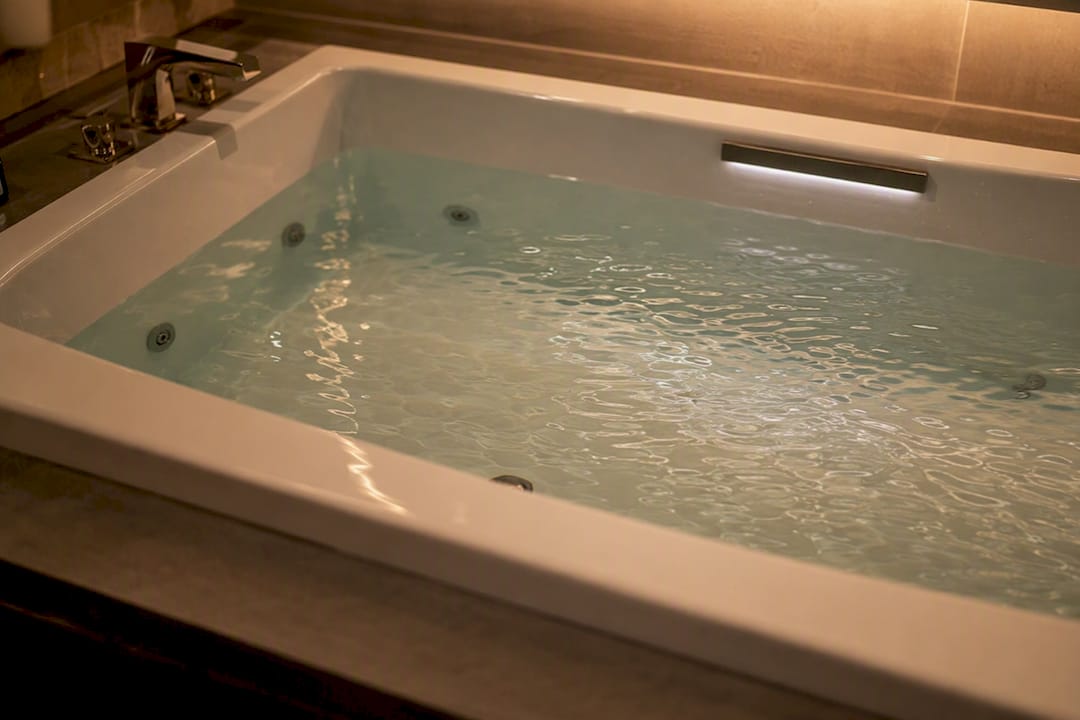
- Look at the jet openings. Small nozzles that shoot visible streams of water are water jets. Rows of tiny holes that release fine bubbles without a strong water stream are air blowers.
- Check for a separate blower switch. Many combination tubs have one control for water jets and a second for an air system, often labeled distinctly on the control panel.
- Read your owner’s manual. Manufacturers usually specify the jet system by name, and that documentation is the most reliable way to confirm what you’re working with.
Air-blower systems push air through the water rather than recirculating water through a pump, so there’s no impeller or plumbing loop for oily residue to coat internally. That gives air systems slightly more tolerance for the occasional non-foaming additive. Water-jet systems recirculate bathwater directly through a pump and motor housing, which means anything you add gets pulled through mechanical parts under pressure. That’s the setup where foam, oils, and bath bombs do the most damage, and it’s also the far more common configuration in residential and hotel jetted tubs. Hybrid systems that combine both should be treated with the same caution as pure water-jet models, since the water pump is still exposed to whatever you pour in.
Safer Alternatives to Regular Bubble Bath
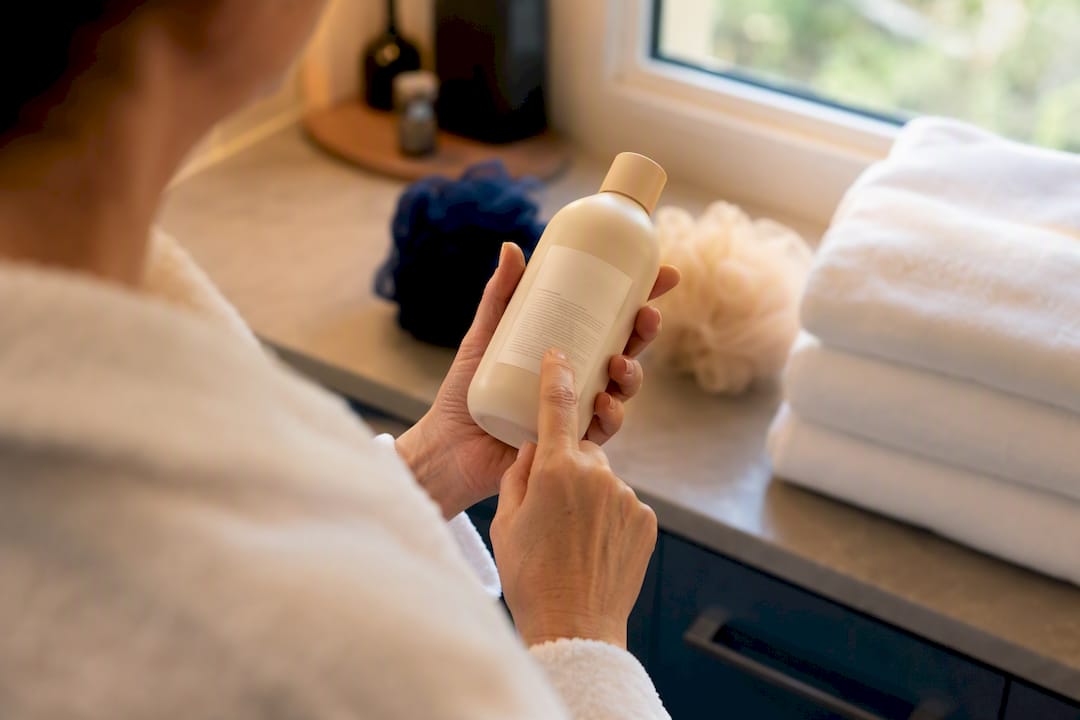
If your goal is a spa experience at home without gambling on your tub’s motor, the product aisle actually has decent options. Look specifically for labels that say “spa-safe,” “low-foam,” or “made for whirlpool tubs.” House and Home Online notes that some brands formulate low-foaming, water-soluble bubble bath specifically for jetted tubs, which is a meaningfully different product than the foaming shampoo-style bath soaks sold for standard tubs.
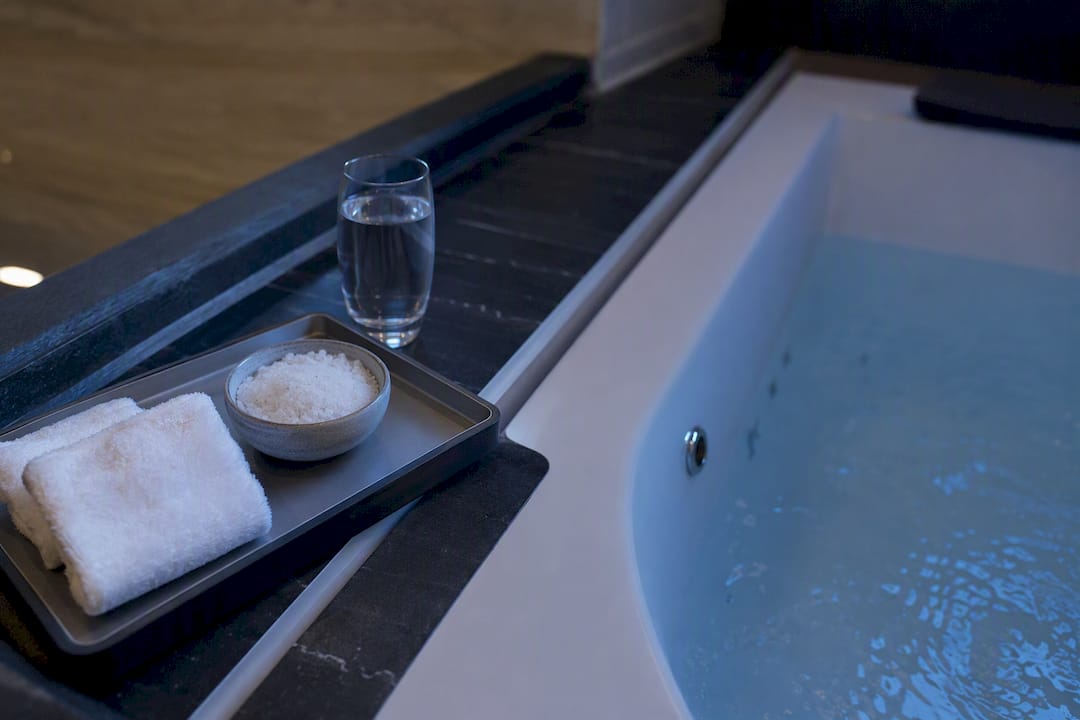
- Spa crystals and elixirs are usually water-soluble scent products with no oil base, designed to dissolve completely instead of foaming or filming.
- Plain Epsom salts dissolve cleanly and don’t create suds, though you should still confirm your manual doesn’t flag salts as a plumbing concern.
- Essential oil drops without a carrier oil, used sparingly, add scent without leaving an oily film behind.
- Products to avoid entirely: bath bombs (especially ones with glitter, confetti, or petals), oil-based soaks, dish soap, and regular foaming shampoo or body wash. Jacuzzi Bath Remodel specifically recommends spa crystals or non-oily salts over bath bombs for exactly this reason.
Retailers like Sauna Heater Supply carry spa-formulated bath essentials built for jetted systems, which is a useful starting point if your local drugstore only stocks standard foaming bubble bath.
Pro Tip: Check the ingredient list, not just the front label. If “sodium laureth sulfate” or “cocamidopropyl betaine” shows up near the top, it’s a foaming agent no matter what the marketing copy claims.
How to Use Bubbles in a Jetted Tub With Minimal Risk
If you’ve read all of that and still want a little foam, there’s a way to shrink the risk, though it won’t eliminate it.
- Fill the tub with jets off. Never add any product while the pump is running.
- Add a dime-sized amount of a low-foam, spa-labeled product. Skip standard bubble bath entirely; this only works with formulas designed for whirlpool use.
- Stir it in by hand. Let it dissolve into the water before you touch the jet controls.
- Run the jets in short bursts. Watch what happens after 30 seconds rather than letting them run continuously, so you catch a foam surge before it overflows.
- Keep spa-safe defoamer within reach the entire time you’re testing this.
- Drain and rinse immediately after. Run a few minutes of clean water through the jets before the next use to flush lingering residue.
Deep-dive analysis from House and Home Online suggests many indoor jetted tubs can tolerate a dime-sized dab of low-foam product once or twice without immediate failure. That’s not a green light for regular use. Repeated exposure builds residue in plumbing that never fully drains, and professionals consistently recommend against making this a habit even when a single incident doesn’t cause visible damage.
What to Do the Moment Foam Shows Up
Foam happening mid-soak isn’t a five-alarm emergency, but it is a “stop what you’re doing” moment.
- Turn off the jets first, before anything else. Agitation is what’s creating and multiplying the foam, so cutting it off stops the problem from getting worse.
- Apply a spa-safe defoamer according to its label. Do not improvise with household products, vinegar, or more soap. Owner-community threads consistently point to spa-safe defoamer as the fastest fix, and it works by breaking surface tension rather than masking the problem.
- Pull the filter cartridge and rinse it under running water. If it still feels slick or soapy after rinsing, soak it in a filter cleaner made for spas.
- Drain and refill if foam returns after the water is otherwise clean. Persistent foam after a rinse usually means residue is trapped somewhere in the plumbing, not just the visible water.
Most single incidents resolve within an hour or two once jets are off and the filter’s been cleaned. A tub that keeps foaming after a full drain and refill has residue built up somewhere a garden-variety rinse can’t reach, and that’s worth a call to a technician rather than another round of guessing.
Cleaning Jets and Filters After Soapy Exposure
One accidental foam-up justifies more than a quick rinse. Manufacturer guidance generally recommends a full drain-and-clean any time unapproved chemicals entered the water, because a soap-coated filter keeps releasing surfactants into otherwise clean water.
- Remove the filter cartridge and rinse it thoroughly, then soak it in a spa-formulated filter cleaner for the time listed on the product.
- Replace the cartridge if it still smells soapy or looks discolored after cleaning. Replacement cartridges for most residential jetted tubs run in a moderate range depending on the model, and the cost is minor compared to a failed pump.
- Run an empty tub cleaning cycle using a manufacturer-approved jet system flush, following the product’s instructions on dwell time and rinse cycles.
- Watch for signs the pump itself took damage: unusual grinding or whining noise, weaker jet pressure than before, or the motor cycling on and off erratically.
A pump replacement costs considerably more than a filter cartridge, which is the real financial argument for taking foam seriously the first time it happens rather than treating it as a one-off inconvenience.
What Tub Manufacturers Actually Say About Bubble Bath
Manufacturer language on this is blunt. Jacuzzi’s own guidance lists foam-causing products among its explicit “don’ts,” instructing owners to keep bubble bath, soaps, shampoos, and detergents out of the system entirely. That’s about as direct as a manufacturer warning gets.
Using unapproved chemicals is also one of the more common reasons warranty claims for pump or motor failure get denied. If a technician opens up a pump housing and finds soap residue, proving the failure was unrelated becomes your problem, not the manufacturer’s. Before you experiment with anything beyond water, pull up your tub’s manual or contact the manufacturer directly. It’s a five-minute check against a repair bill that isn’t.
What Hotel Hot Tubs Hears From Travelers and Hosts
Every hotel Hotelhottubs lists with an in-room jacuzzi gets checked for the amenity itself, and guest feedback consistently flags the same pattern: hosts provide approved bath products for a reason, and skipping them for a bottle brought from home is the most common cause of guest complaints and cleaning fees. If a room supplies spa salts or a specific soak product, use what’s there. Rinse swimwear before it goes in the water, and ask the front desk directly if you’re unsure what’s allowed. Most properties enforce jacuzzi-use policies more strictly than general bathroom rules, and a soapy jet system is exactly the kind of damage that shows up on a checkout invoice.
The Real Lesson Here Isn’t About Bubbles
The debate over bubble bath misses the bigger point: most people don’t want to manage tub chemistry at all. They want to sink into warm water and not think about pumps, filters, or what’s compatible with what. That’s a completely reasonable thing to want, and it’s exactly what a home jetted tub can’t reliably give you without some maintenance literacy.
Conventional advice treats this as a simple yes or no question. It’s not. The honest answer depends on your jet type, your product, and how much residue risk you’re willing to accept for a few minutes of extra bubbles. Most readers would be better served skipping the experiment altogether and prioritizing a low-foam or spa-labeled product over anything that promises “extra foamy” on the label.
If what you actually want is the relaxation without the risk calculus, that points toward a different decision entirely: let someone else maintain the tub.
— Logan Oneal
Want the Soak Without the Guesswork?
Hotelhottubs exists for exactly the moment you decide home experimentation isn’t worth the risk to your pump. Every hotel in the directory is verified to actually have a private in-room jacuzzi, with real photos and guest details, so you’re not gambling on a shared spa or a bathtub with no jets at all.
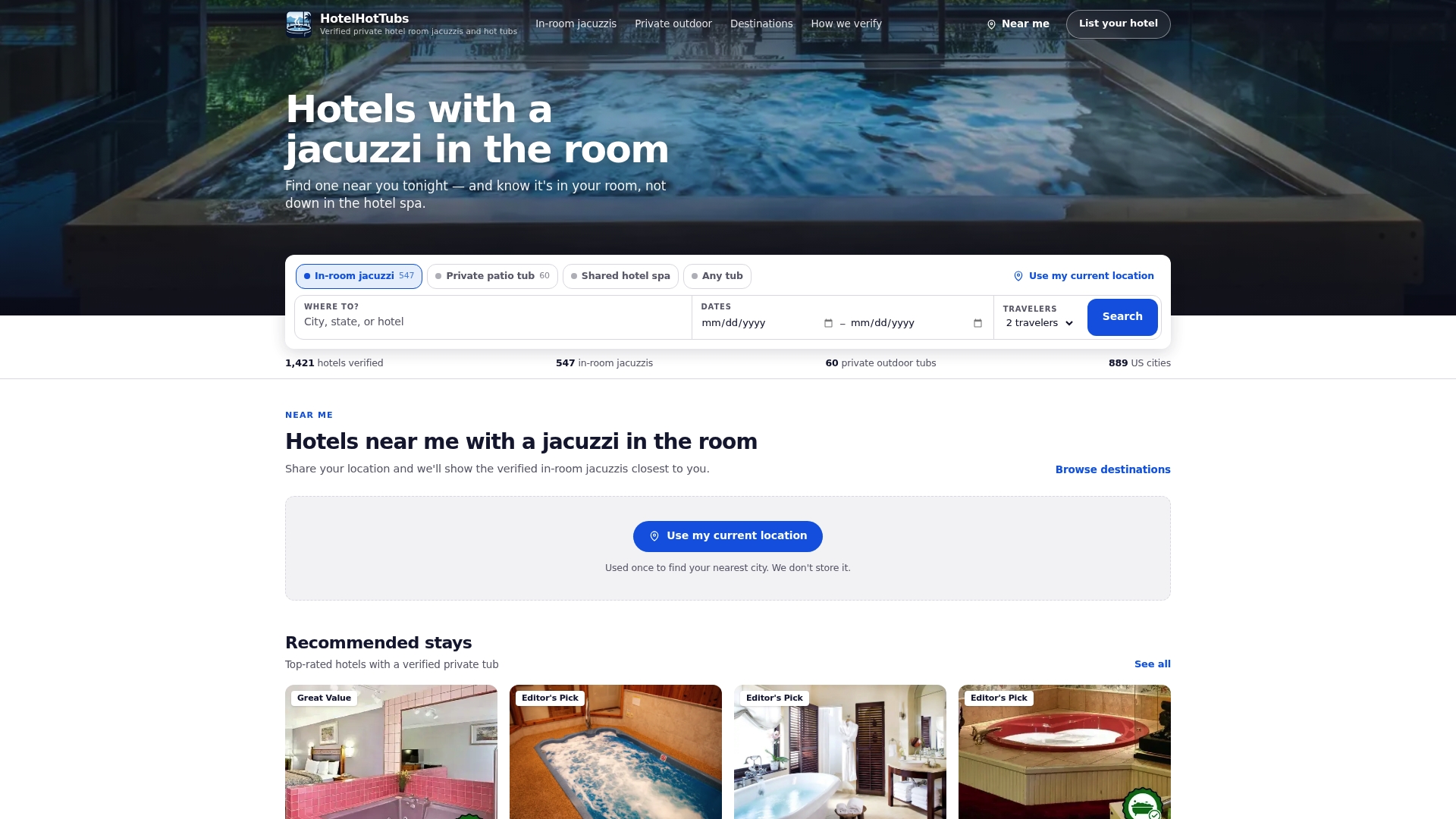
A hotel’s jacuzzi gets maintained by staff who know its exact chemistry tolerances, not guesswork from a bottle label. That means you get the bubbles, the warm water, and the relaxation without owning the risk of a clogged pump afterward. If you’re planning a weekend soak, browse hotels with a jacuzzi in the room or check budget-friendly options under $250 to find a verified room and book directly through the property’s listing.
Sources
- 6 “Don’ts” of Hot Tub Use | Jacuzzi®
- Can You Put Bubble Bath In A Hot Tub? No — Here’s Why | OneHotTub
- Can You Use Bubble Bath in a Jetted Tub? - House and Home Online
- Can You Put Bubble Bath in a Jacuzzi Tub? | Jacuzzi Remodel