
Hotel Guests: 60 Second Jacuzzi Check or Book a Verified Private Tub
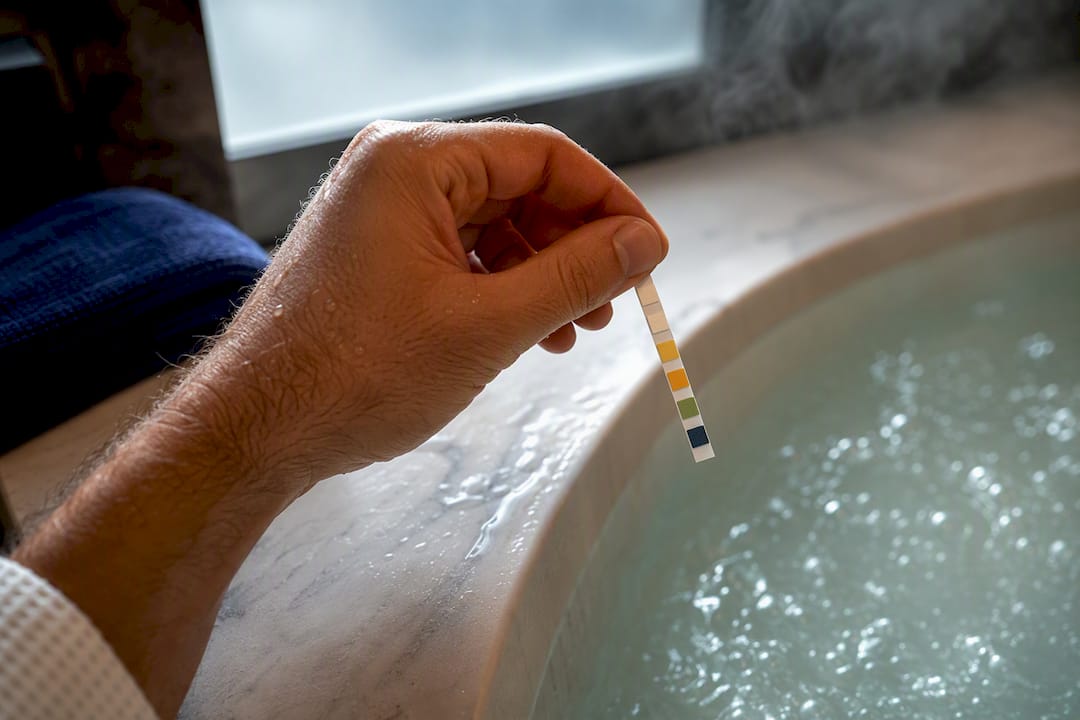
Hotel jacuzzis can be perfectly safe, but only when they’re maintained to CDC-recommended disinfectant and pH levels and tested at least twice a day. Plenty aren’t. Before you step in, do a 60-second check: look at the water, run the jets, and ask staff for the maintenance log. If they can’t produce one, that’s your answer.
TL;DR:
- Hot tubs must be maintained with disinfectant levels of 3-10 ppm chlorine or 4-8 ppm bromine, and tested at least twice daily to prevent bacterial growth.
- Visual indicators like cloudy water or debris are unreliable; internal bacteria like Legionella grow in pipes and require proper chemical and physical maintenance.
- Staff should keep detailed logs of water quality, filter servicing, and tank cleaning, with protocols for removing the tub from service if disinfectant levels drift.
- Travelers should conduct a quick inspection and ask staff about recent maintenance before using a hotel hot tub, and avoid heavily used or poorly maintained units.
- Private hotel jacuzzis generally pose less risk due to lower usage, but verifying recent cleaning and maintenance is still important for safety and peace of mind.
Table of Contents
- What Are the CDC Standards for Hot Tub Cleanliness?
- What Health Risks Come From a Poorly Maintained Hot Tub?
- How Should Hotels Maintain and Document Hot Tub Cleanliness?
- How Do You Check If a Hotel Jacuzzi Is Clean Before Using It?
- Should You Clean or Sanitize the Hotel Jacuzzi Yourself?
- Who Should Avoid Hotel Jacuzzis Altogether?
- How Hotel Hot Tubs Reduces the Guesswork
- A Reasonable Standard, Not a Paranoid One
- Skip the Uncertainty, Book a Verified Private Jacuzzi
- Sources
What Are the CDC Standards for Hot Tub Cleanliness?
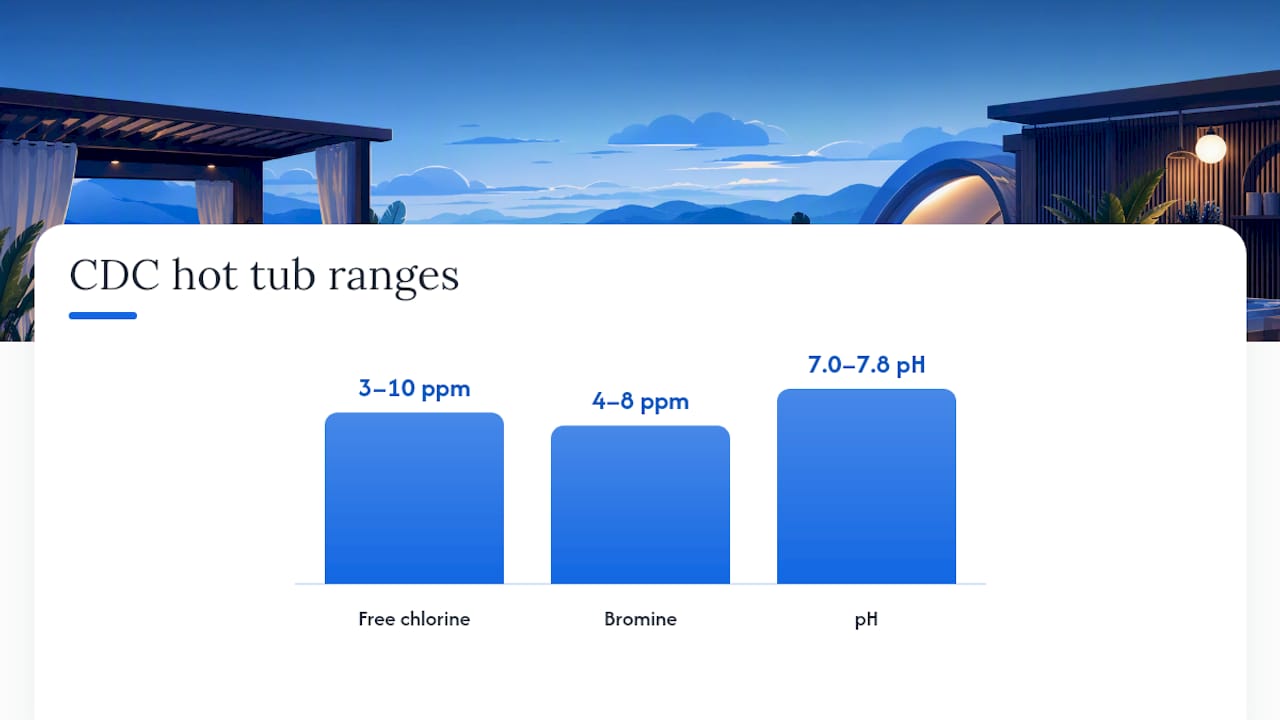
There’s an actual number you can hold a hotel to. The CDC recommends free chlorine levels of 3 to 10 ppm or bromine levels of 4 to 8 ppm, with pH held between 7.0 and 7.8. Fall outside that range and disinfectant either stops working or starts irritating skin and eyes.
Testing isn’t a once-a-day formality either. Hotels should be checking disinfectant and pH at minimum twice daily, and hourly when the tub is getting heavy use over a busy weekend, according to CDC operating guidance. Skip that cadence and bacteria get a window to establish themselves in warm, aerated water.
Here’s what those numbers protect against:
- Free chlorine: 3 to 10 ppm
- Bromine: 4 to 8 ppm
- pH: 7.0 to 7.8
- Testing frequency: at least twice daily, more during heavy use
Legionnaires’ disease is fatal for about 1 in 10 people who contract it, and warm, aerosolized hot tub water is one of its favorite environments, per CDC data. Disinfectant sitting inside that range is what keeps the bacteria count low enough to matter.
What Health Risks Come From a Poorly Maintained Hot Tub?
The scariest one is Legionnaires’ disease, a form of pneumonia caused by inhaling contaminated water droplets kicked up by jets. It can be severe, and the warm, bubbling conditions inside a jacuzzi are exactly what the bacteria need to multiply.
Skin problems are far more common day to day. Pseudomonas folliculitis, better known as hot tub rash, shows up as itchy red bumps a day or two after exposure to water with unbalanced disinfectant, and the CDC’s Pseudomonas page documents how easily it spreads in warm recreational water. Gastrointestinal bugs can hitch a ride too if someone swallows contaminated water.
Here’s the part that trips people up: clear water tells you almost nothing about internal risk.
- Legionella and biofilm grow inside jet plumbing, not in the water you can see
- Pseudomonas thrives even in water that looks and smells clean
- Outbreaks have been traced to tubs that passed a visual check with no problem
A tub can look like a postcard and still be circulating water through pipes that haven’t been flushed in months.
How Should Hotels Maintain and Document Hot Tub Cleanliness?
A well-run hotel treats the jacuzzi like a piece of medical equipment, not a decoration. That means daily pH and disinfectant testing recorded in a written log, staff trained on what those numbers mean, and posted rules about bather limits and no open wounds in the water.
Filters get serviced on a schedule, not when someone notices a problem. Mechanical components stay accessible for inspection, and the tank itself gets scrubbed and drained on a recurring basis rather than just topped off with more chemicals. Some properties add secondary disinfection like UV or ozone systems, which cuts down on how hard the chlorine or bromine has to work.
- Written testing logs updated at least twice daily
- Scheduled filter servicing and accessible plumbing
- Periodic drain-and-scrub of the tank, not just chemical dosing
- Documented protocol for pulling the tub from service when levels drift
When Legionella shows up in a routine check, the CDC’s Legionella control toolkit calls for hyperchlorinating to around 10 ppm free chlorine for a short remediation window, followed by a full scrub of filters and surfaces. That’s not a fix a guest can do with a bottle of bleach.
Pro Tip: Ask the front desk one specific question: “When was the tub last shocked and the filters serviced?” A trained staffer will have an answer within seconds. A blank stare is a red flag on its own.
How Do You Check If a Hotel Jacuzzi Is Clean Before Using It?
You don’t need any special equipment to catch most warning signs. A five-minute inspection covers almost everything that matters.
- Look at the water. Scan for scum lines at the waterline, cloudy or hazy water, floating debris, or a cracked or missing drain cover. Any of these means skip it.
- Smell before you get close. A faint clean smell is normal. A strong, pungent chemical odor usually means chloramines have built up from organic contamination, not that the tub is extra sanitized, according to CDC guidance on hot tub safety.
- Run the jets for 5 to 10 minutes on the highest setting before anyone gets in. Watch for black or brown flakes, persistent foam that won’t clear, or discolored water coming out of the jets. Flakes usually mean biofilm dislodging from plumbing that hasn’t been flushed.
- Ask to see the maintenance log. Front desk or housekeeping should be able to show recent pH and disinfectant readings, or at least tell you when filters and lines were last serviced. Travel + Leisure’s reporting on hotel hot tub safety backs this up as a reasonable, normal request.
- Test the water yourself if you want extra confidence. Drugstore test strips aren’t as precise as the DPD kits pros use, but they’ll give you a rough read on chlorine or bromine and pH, per CDC testing guidance. You’re looking for chlorine in the 3 to 10 ppm range, bromine at 4 to 8 ppm, and pH between 7.0 and 7.8.
- Make a call. Everything checks out? Use it. Water’s borderline but staff seems responsive? Ask them to re-test or drain and refill before you get in. Flakes, strong odor, or a shrug from the desk? Skip it and mention it to management.
Pro Tip: Bring a $5 pack of pool test strips on any trip where you know the room has a jacuzzi. It takes 15 seconds and gives you a number instead of a guess.
Should You Clean or Sanitize the Hotel Jacuzzi Yourself?
No. Skip the viral bleach-and-rinse routines you’ve probably seen online. Household bleach poured into a tub doesn’t reach the internal jet plumbing where biofilm actually builds up, and industry experts told Newsweek that these social media routines are not a substitute for the industrial cleaners and documented line-flush procedures hotels are supposed to run.
Dumping in extra chlorine tablets doesn’t fix anything either. Over-chlorinating a small volume of water produces fumes that irritate your eyes and lungs, can bleach or damage tub surfaces, and still won’t touch whatever’s growing inside the pipes.
- Bleach poured into standing water doesn’t reach internal plumbing or biofilm
- Extra chlorine tablets risk fumes and skin/eye irritation without solving the real problem
- The fix for dirty plumbing is a professional line flush, not a DIY additive
If a tub fails your inspection, your move is to ask staff for a documented flush and re-clean, or request a different room. Filtration systems matched to the right sanitizer matter more than anything you can pour in after the fact, and that’s a job for the property’s maintenance team, not a guest with a hotel-room minibar and good intentions.
Who Should Avoid Hotel Jacuzzis Altogether?
Some travelers should sit this one out regardless of how clean the tub looks: pregnant people, children under 5, anyone immunocompromised, and anyone with open wounds or active skin infections.
For everyone else, a few habits cut your risk substantially:
- Shower with soap before and after, per CDC recommendations
- Keep your head above water and avoid swallowing any of it
- Stick to 104°F (40°C) or below, and skip alcohol beforehand
- If you develop skin irritation or a fever afterward, tell a healthcare provider you were in a hot tub
How Hotel Hot Tubs Reduces the Guesswork
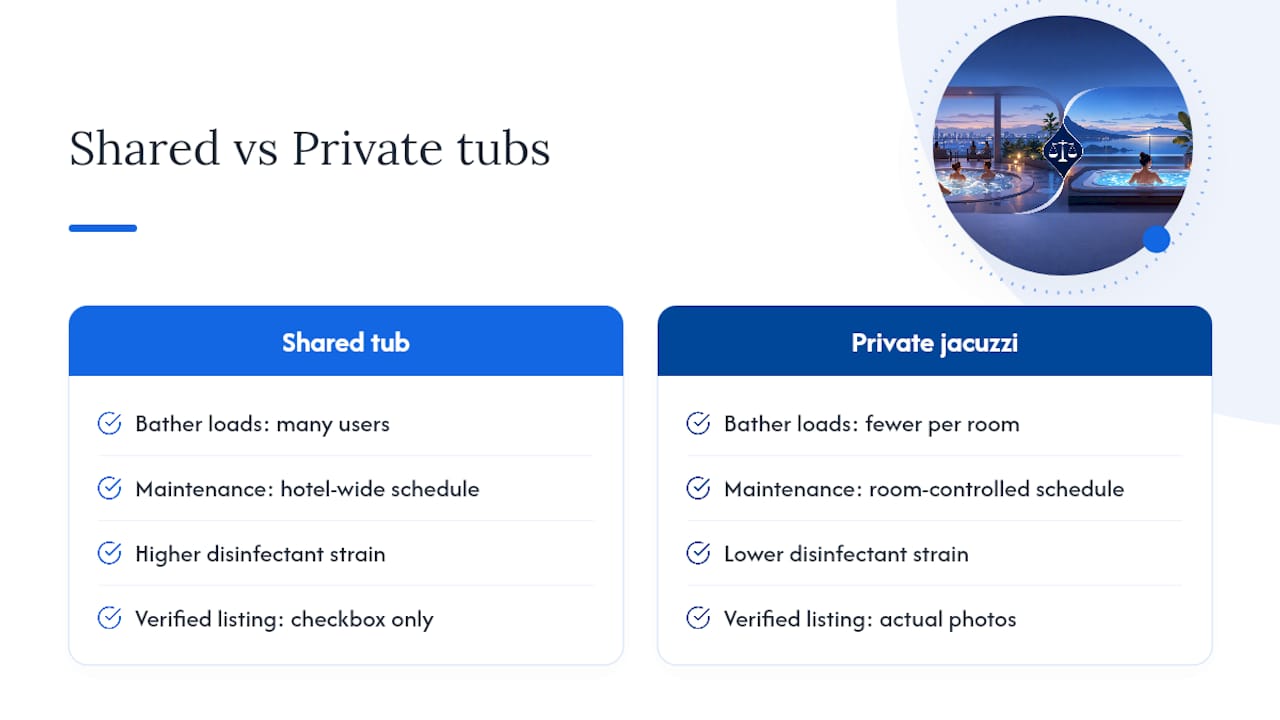
Every check above exists because shared hotel spa tubs run on bather loads and maintenance schedules you can’t see from the lobby. A private in-room jacuzzi changes that math. Fewer people cycling through the same water, on a schedule the hotel controls for one room instead of dozens, generally means less strain on the disinfectant system between cleanings.
Hotel Hot Tubs verifies listings with actual amenity photos, not just a checkbox on a hotel’s own site, and sorts hotels into categories like budget, romantic, and private outdoor tubs so you know what you’re booking before you arrive. It’s worth reading how the verification process works if you want the details.
Even with a verified private tub, it’s still worth asking the same two questions: when the lines were last flushed, and whether a maintenance log exists. Verification confirms the amenity is real. It doesn’t replace the 60-second check covered above, and the difference between a jacuzzi and a shared hot tub matters more here than most travelers realize.
A Reasonable Standard, Not a Paranoid One
Housekeeping staff are stretched thin at most properties, and that’s the honest reason maintenance slips. It doesn’t mean you should assume the worst about every tub you encounter.
Ask your questions politely, but expect real answers. A hotel that can’t tell you when the filters were last serviced has told you something important. Most well-run properties keep their tubs genuinely safe. When one doesn’t check out, walking away costs you nothing.
— Logan Oneal
Skip the Uncertainty, Book a Verified Private Jacuzzi
Every check in this article exists because a stranger used that hot tub before you, and you have no idea how well it was maintained after. There are directories of hotels with verified in-room jacuzzis, so you’re not relying on a photo that might show a shared spa area instead of your actual room.
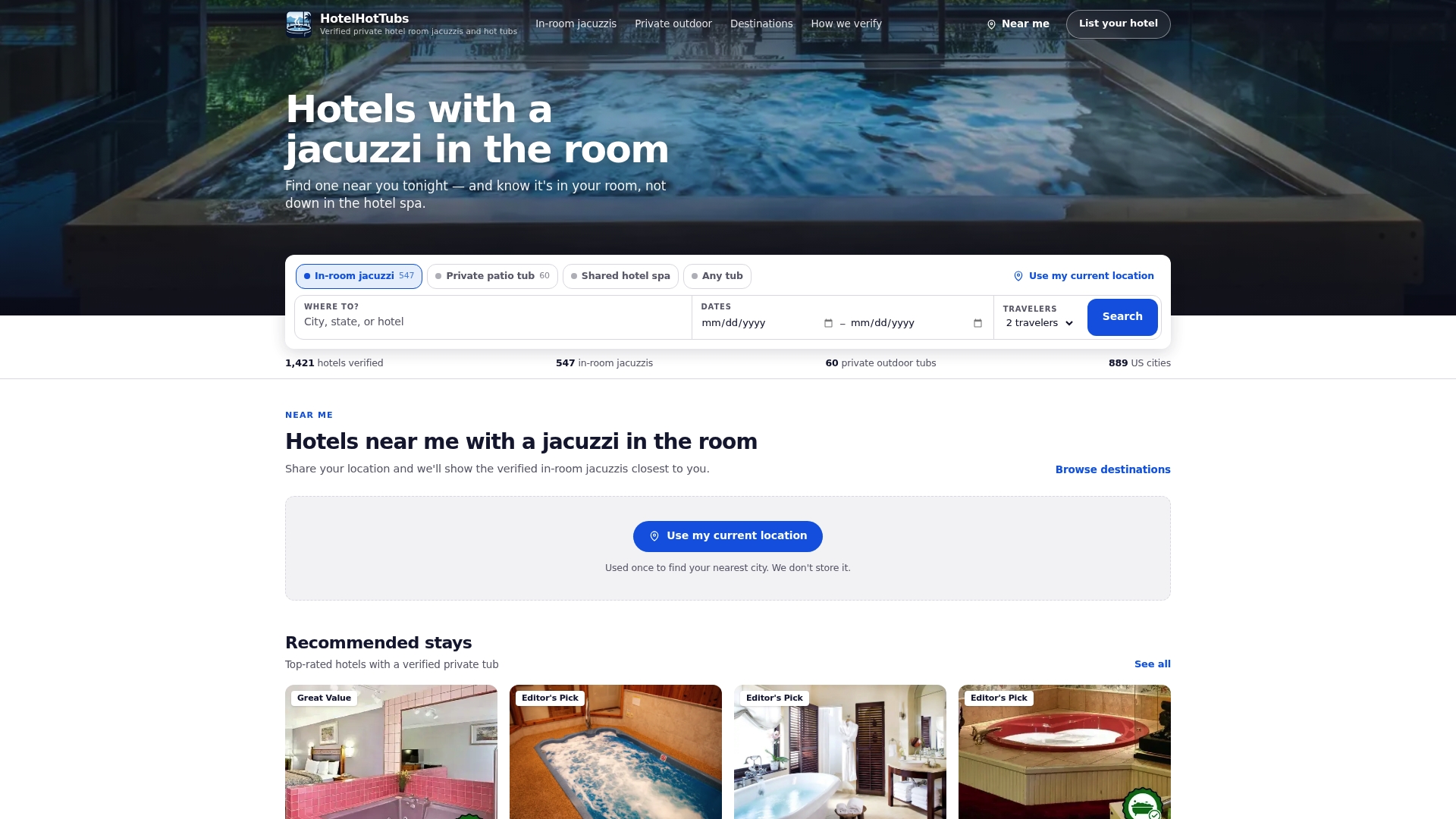
Booking a private tub means one household’s usage between cleanings instead of a hundred strangers a week, and you skip the front-desk interrogation altogether. Whether you’re after something budget-friendly, a romantic getaway, or a full suite with a private tub, the listings show verified amenity photos so you know exactly what’s waiting in the room. Search hotels with a jacuzzi in the room near you and book your next stay knowing what you’re actually getting.
Sources
- What You Can Do to Stay Healthy in Hot Tubs | Healthy Swimming | CDC
- Should You Clean the Hotel Hot Tub Before Use? What You Need to Know | Newsweek
- The Hidden Danger Lurking in Your Hotel Hot Tub | Travel + Leisure