
Travelers: Book Verified Jacuzzi Suites to Avoid Deposit Surprises
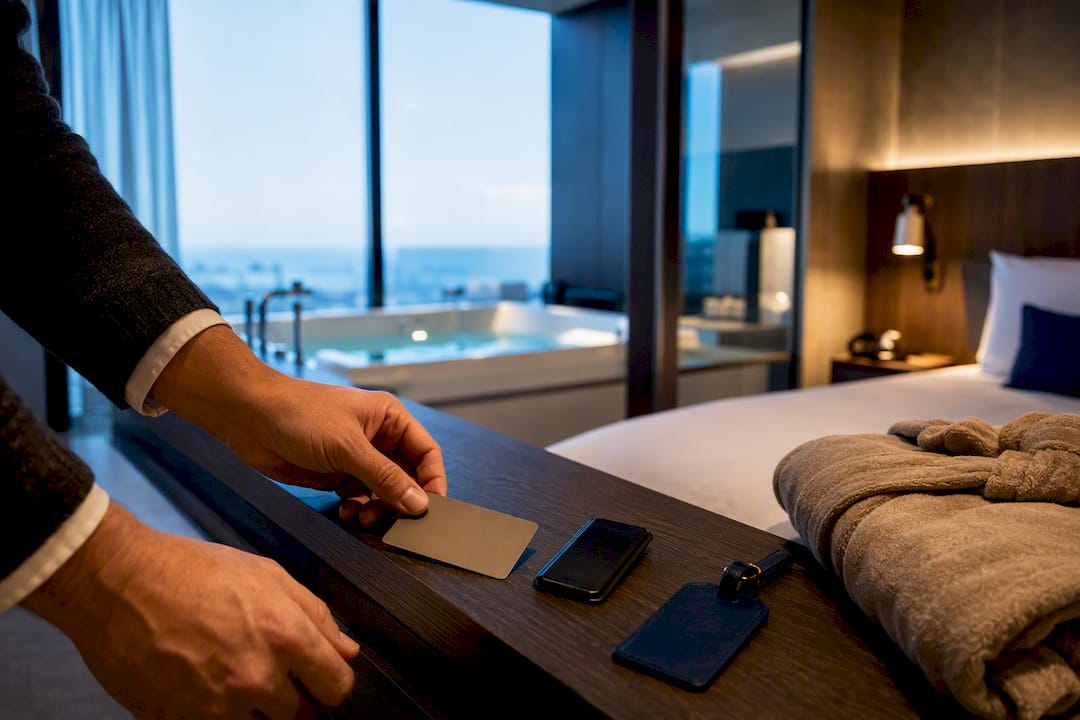
Most properties place a credit-card authorization hold or require a separate refundable security deposit before you check into a room with a private jacuzzi. Some premium suites and retreat-style bookings charge a flat deposit of several hundred dollars applied toward your total balance. Before you pay anything, confirm the property’s exact deposit policy and get written or photo proof the room you’re booking actually has the in-room jacuzzi advertised.
TL;DR:
- Incidental holds for jacuzzi suites typically range from $100 per night to several hundred dollars for premium or retreat bookings, with the latter often applied toward the total cost.
- Credit card holds usually clear within five to seven business days, while debit card holds can last longer and deplete your available cash during that period.
- Refunds for authorization holds are automatic after checkout if no damage or violations occur, but refundable security deposits may take longer, sometimes into the next billing cycle.
- Verify the specific room type code, request confirmed photos, and get written assurance to ensure the jacuzzi is in your booked room, especially when booking through third-party platforms.
- Booking through verified listing services with photo checks significantly reduces the risk of mismatch and deposit disputes related to inaccurate amenity claims.
Table of Contents
- Common Deposit Types and Typical Amounts for Jacuzzi Suites
- How Deposits and Incidentals Actually Get Charged
- When You Get the Deposit Back, and When You Don’t
- How to Confirm the Jacuzzi Is Actually in Your Room
- Rules That Trip Up Jacuzzi Suite Bookings
- How Hotel Hot Tubs Reduces the Risk of Deposit Surprises
- Best-Practice Checklist for Booking a Jacuzzi Suite
- Find a Verified Jacuzzi Suite Without the Deposit Guesswork
- Where to Verify Deposit and Amenity Policies Yourself
- Sources
- FAQ
Common Deposit Types and Typical Amounts for Jacuzzi Suites
Three different charges get lumped together under the word “deposit,” and mixing them up is how travelers end up confused or, worse, out of money they expected back.
An authorization hold is not a charge. It’s a temporary freeze your bank places on available funds, requested by the hotel to cover incidentals like room damage, minibar use, or a stolen towel. It disappears on its own once the property releases it, usually within a few days of checkout. A prepaid nonrefundable deposit is different: it’s money the property actually collects up front, and you don’t get it back regardless of how the stay goes, though it’s often applied toward your room cost rather than charged on top of it. A refundable security deposit sits in between. The property collects it, holds it separately from your room rate, and returns it after checkout assuming no rules were broken.
Jacuzzi suites tend to sit at the higher end of all three categories. One Las Vegas condo-style jacuzzi studio listing on Expedia shows a $100-per-night incidental hold placed on the guest’s card and released after checkout, with a higher cap if multiple units are booked together. That’s not unusual. Properties treat private in-room hot tubs as higher-liability, higher-cleaning-cost amenities than a standard room, which is a big part of why the hold on a jacuzzi suite often runs steeper than the hold on a plain double queen down the hall, according to Hotel Hot Tubs.
Flat deposits climb higher for specialty or premium bookings. A wellness retreat property lists a $650 deposit for its single or couple suite tier, applied against the total balance rather than charged separately. That’s an extreme example, but it illustrates the range you’re dealing with once you leave standard hotel inventory and move into boutique or retreat-style properties.
What pushes a deposit toward the higher end of the range:
- Booking for a group of three or more guests in a suite designed for two
- Reserving a private vacation rental rather than a branded hotel room
- Booking during a holiday weekend or peak season when properties see more turnover risk
- Reserving a suite with a private outdoor hot tub in addition to an indoor one
- Paying with a debit card instead of a credit card, which some properties flag for a larger hold
Vacation rental listings often spell these terms out directly. A VRBO listing for a jacuzzi property, for example, lays out extra-person charges and hold procedures right in the description, which is worth reading in full before you book rather than skimming past.
How Deposits and Incidentals Actually Get Charged
The mechanics matter more than most travelers realize, because a hold that looks alarming on your banking app for three days is completely normal, while one lingering for two weeks is not.
Credit cards and debit cards behave very differently here. A credit card authorization simply reduces your available credit limit, no cash leaves your account, and the hold expires on its own even if the hotel forgets to release it, typically within 5 to 7 business days depending on your card issuer. A debit card hold actually removes those funds from your checking account balance, meaning less available cash for groceries or gas while you wait. Guestly Homes points out that credit card authorizations clear faster and preserve more of your cash flow than debit holds, which is why nearly every hospitality expert recommends putting the deposit on credit whenever a property gives you the choice.
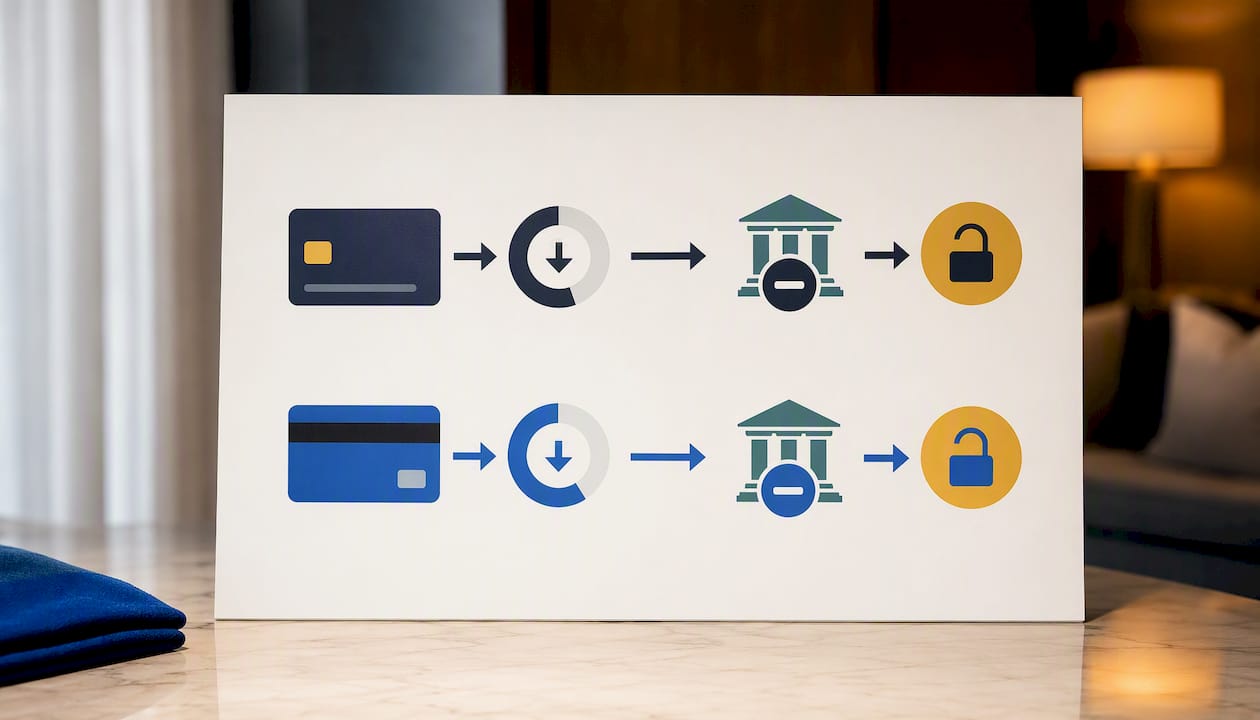
Some smaller vacation rentals still ask for photo ID and either a card hold or a cash deposit collected in person at check-in, particularly for properties advertising extra amenities like a private jacuzzi and full kitchen. Cash deposits are the riskiest option for the traveler: no paper trail, no bank dispute process, and refund timing depends entirely on the property’s word.
Timing also depends on who you booked through. Book direct with the hotel, and the front desk can usually tell you exactly when a hold will drop. Book through a third-party site, and the hold might show up under the booking platform’s name rather than the hotel’s, which confuses guests checking their bank statement and can delay resolution if something goes wrong.
A few practical rules to keep in mind:
- Credit card holds typically clear within a few days after checkout
- Debit card holds can take longer to release and reduce spendable cash in the meantime
- Third-party bookings can obscure which company placed the hold, so check your confirmation email for the merchant name
- When a hold seems stuck past 10 days, contact the property directly before contacting your bank
Pro Tip: Call the property the same day you check out and ask them to confirm, in writing, that the hold has been released on their end. Banks often blame the hotel for a slow release, and hotels often blame the bank. A confirmation email from the property gives you something concrete to point to if the hold is still sitting there a week later.
When You Get the Deposit Back, and When You Don’t
Refund timing depends entirely on which of the three deposit types you’re dealing with, so knowing which one you agreed to changes what “normal” looks like.
Authorization holds release automatically once the property confirms no incidentals occurred, generally within a few days of checkout. Refundable security deposits, the kind collected separately from your room charge, often take longer because the property has to actively process a refund rather than just letting a hold expire. That can stretch into your next billing cycle, particularly with smaller independent properties that batch refunds rather than processing them daily.
Deposits get retained or forfeited for a fairly predictable set of reasons, and jacuzzi suites see a few of these more often than standard rooms:
- Property damage. Chipped tile around a jacuzzi, a cracked jet cover, or water damage from overflow gets deducted from the deposit, usually with photo documentation from the property.
- Smoking violations. Suites with hot tubs often carry strict no-smoking clauses because of ventilation near water features, and violating it is one of the most common forfeiture triggers.
- Unauthorized guests or parties. Exceeding the listed occupancy or hosting a gathering not disclosed at booking voids most refundable deposits outright.
- Policy breaches spelled out at booking. Late checkout without approval, pets in a pet-free unit, or leaving the jacuzzi running unattended can all trigger a deduction depending on the property’s written terms.
If you believe a deposit was withheld unfairly, move through this sequence rather than jumping straight to a bank dispute:
- Pull your documentation first. Screenshot the original reservation confirmation, the deposit policy shown at booking, and any check-in and checkout photos you took of the room.
- Contact the property directly. Most disputes resolve at this stage once you show clear photos proving the room’s condition at checkout.
- Escalate to the booking platform if you reserved through one. Sites that process the payment can freeze a disputed charge while the property responds.
- Contact your card issuer as a last resort. Banks generally give you 60 days from the statement date to file a dispute, and having your documentation ready from step one speeds this up considerably.
Guestly Homes recommends keeping timestamped photos of the unit at both check-in and checkout specifically because “he said, she said” disputes almost always favor whoever has visual proof. That single habit resolves more deposit disputes than any phone call ever will.
How to Confirm the Jacuzzi Is Actually in Your Room
Nothing wastes a deposit faster than fighting to get it back from a room that never had the amenity you booked it for in the first place. This happens more than travelers expect, because hotels frequently sell jacuzzi suites as one category among several similar room types, and a generic search can land you in the wrong one.
Marriott’s own help documentation warns that jacuzzis are often limited to specific room categories, not guaranteed across an entire property or brand. Booking “a Marriott with a jacuzzi” is not the same as booking the specific room code that includes one, and the two get confused constantly during checkout.
Before you finalize payment, check these four things:
- The exact room type code listed on your confirmation, not just the hotel name
- Verified photos attached to that specific room category, not generic property photos
- A written amenity confirmation line in your reservation email or booking notes
- Any amenity filter used during search, confirmed against the actual room description before payment
If none of that is clearly stated, call the property and ask them to add a note to your reservation confirming the jacuzzi is guaranteed in your assigned room type. Get the confirmation by email if possible.
This is exactly the gap Hotel Hot Tubs was built to close. Every listing goes through a photo verification and amenity confirmation check before it’s published, which cuts down on the common scenario where a guest books what looks like a jacuzzi room and gets moved to a standard unit at check-in. Booking through a directory that has already verified the room code and photos lowers your odds of a mismatch, and lowers your odds of a deposit dispute tied to that mismatch too.
Rules That Trip Up Jacuzzi Suite Bookings
A handful of property rules cause more deposit headaches on jacuzzi suites than on any other room category, mostly because these rooms attract bachelorette parties, anniversary trips, and group getaways at a higher rate than standard rooms do.
Age requirements matter more here than travelers expect. Most properties require the primary reservation holder to be at least 21, sometimes 25, specifically because jacuzzi and hot tub rooms carry higher insurance liability. Showing up without meeting that threshold can mean a denied check-in regardless of what your confirmation says.
Occupancy limits get enforced strictly on these suites. A room built for two with a private jacuzzi often has a hard cap, and bringing extra guests triggers either an on-the-spot extra-person fee or, in worse cases, a forfeited deposit if the property considers it an undisclosed occupancy violation.
Party and noise restrictions are where the most deposit disputes originate. Properties advertising private hot tubs know exactly what kind of celebration they attract, and many post explicit no-party clauses in the fine print specifically to protect against it. A few things worth checking before you book:
- Confirm the listed maximum occupancy matches your actual group size
- Ask directly whether extra-person fees apply and how much they run per additional guest
- Read the party and noise clause in full, since violating it is one of the fastest ways to lose a security deposit
- Check the minimum age requirement for the primary cardholder on the reservation
How Hotel Hot Tubs Reduces the Risk of Deposit Surprises
Deposit disputes almost always trace back to one root cause: a mismatch between what the guest expected and what the property actually delivers. Some specialized listing services aim to close the gap for the amenity category of in-room jacuzzis.
These services may verify listings before publication, including:
- Photo checks to confirm the jacuzzi is in the actual room category booked
- Cross-referencing listing data to catch outdated or incorrect amenity claims
- Including guest testimonials attached to listings for additional confirmation
- Providing filters by trip type, price, and location to help compare verified suites rather than guessing
This verification is important because many large booking platforms list amenities as simple filters without confirming that photos match the specific room code reserved. Guests can select “jacuzzi” and still be assigned rooms without one if listing data is inaccurate. Some services focus on catching such mismatches before a deposit is paid on a room lacking the booked amenity.
Best-Practice Checklist for Booking a Jacuzzi Suite
Here’s what actually moves the needle, based on where most deposit problems originate.
Confirm the amenity in writing before you pay anything, not after. Screenshot the deposit policy at the time you book, since properties do update terms and you want proof of what you agreed to. Pay with a credit card, never debit, so a disputed hold doesn’t touch your actual cash. Photograph the entire room the moment you walk in, especially near the jacuzzi itself, before you unpack a single bag. Ask the front desk directly when the hold will release and get a rough date. Keep every receipt and confirmation email until the deposit actually lands back in your account.
If a deposit gets withheld and the property won’t budge after one direct conversation, escalate to the booking platform first, then your card issuer. Waiting too long to escalate is the most common mistake travelers make.
— Logan Oneal
Find a Verified Jacuzzi Suite Without the Deposit Guesswork
Hotel Hot Tubs solves the exact problem this whole guide is about: booking a room advertised with a private jacuzzi and actually getting one, deposit terms and all clear before you pay. Unlike a general hotel search where “jacuzzi” is just a checkbox filter that may or may not match reality, every listing here has been checked against real photos of the specific room type you’re booking.
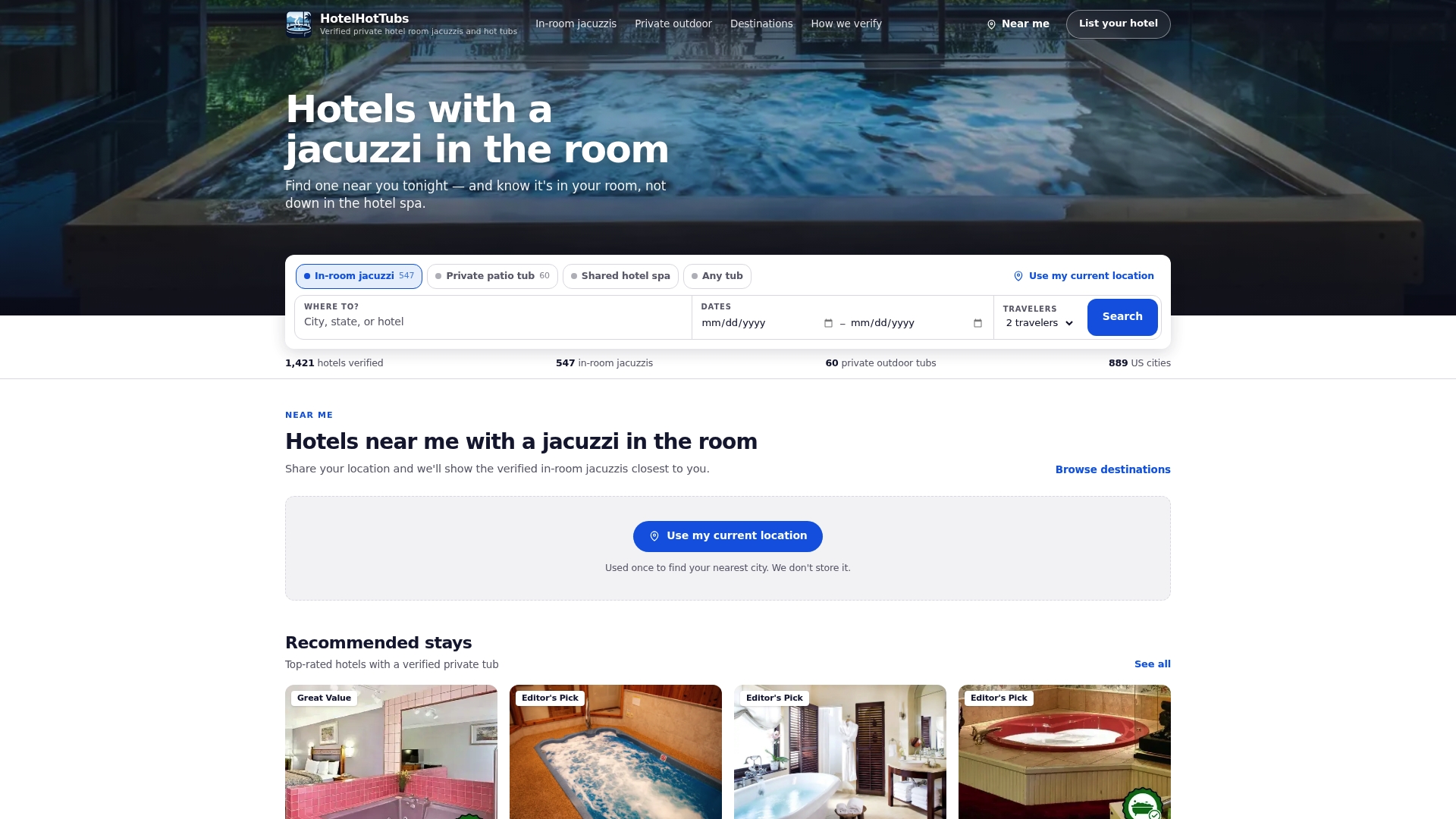
If you’re planning a getaway on a tighter budget, the budget jacuzzi suite listings show verified rooms under $250 a night. Couples planning something more special can browse romantic jacuzzi suites curated specifically for anniversary trips and weekend escapes. Either way, start your search on a listing that’s already confirmed the amenity exists in your exact room type, screenshot the deposit policy shown at booking, and you’ll walk into check-in with no surprises waiting.
Where to Verify Deposit and Amenity Policies Yourself
A few primary sources worth bookmarking before your next booking:
- Marriott’s official help page on jacuzzi rooms for confirming room-category availability across that brand
- Guestly Homes’ booking checklist for documentation steps to speed up any refund dispute
- Individual property listing pages, which frequently spell out hold amounts and house rules directly in the description, as seen in representative vacation rental listings
- Your card issuer’s dispute resolution page for the exact timeline your bank allows for contesting a charge
Sources
- Do You Have Marriott Hotels with Jacuzzis in the Rooms?
- MGM Signature-02-604 Jacuzzi Studio Reviews, Deals & Photos 2026 - Expedia
- Level 3 Single/Couple ($650 Deposit) — Poised Wellness Retreat, LLC
- Accommodation Booking Checklist for Hassle-Free Stays - Guestly Homes
FAQ
How much is a deposit usually for a hotel room with a jacuzzi?
Incidental holds commonly run around $100 per night for jacuzzi suites, while flat security deposits or prepaid amounts on premium suites and retreats can run several hundred dollars, sometimes applied toward the total booking.
Will my hotel deposit be refunded?
Authorization holds release automatically within days of checkout as long as no damage or policy violation occurred; refundable security deposits get returned separately and can take longer, sometimes into your next billing cycle.
What is the deposit fee for a hotel room?
There’s no single fee. It depends on whether the property uses a temporary authorization hold, a refundable security deposit, or a nonrefundable prepaid deposit, each with different amounts and refund rules.
Do you have to put a deposit down for a hotel room?
Many properties require either a card authorization hold or a security deposit at check-in to cover potential incidentals, and some suites with higher-liability amenities like jacuzzis often require one.
How can I confirm a jacuzzi is actually in my booked room?
Check the specific room type code, request verified photos matched to that room category, and get written confirmation in your reservation, or book through a verified directory like Hotel Hot Tubs where listings are already checked against real photos.