
7 Day Trips from Las Vegas, from Red Rock to the Grand Canyon
By Claire Bennett, co-founder at Hotel Hot Tubs
One of the things I enjoy most about Las Vegas is how quickly the city gives way to open desert. Valley of Fire is my favorite full-day escape, while Red Rock Canyon is the easier choice for a half-day. Hoover Dam offers a different kind of outing, with engineering and local history in place of hiking. Farther away, Death Valley and Grand Canyon West are worth the drive, provided you're willing to give them the day.
All seven day trips from Las Vegas are measured from the central Strip. Driving estimates are approximate and one way, without sightseeing stops. The total-day allowances include the return journey and a modest visit, but not collecting a rental car, a long meal or major traffic delays. Your actual hotel location can also make a difference.
For the shorter outings, I like keeping one hotel base and returning to the city for dinner. Having a private tub back in the room makes that arrangement even more appealing after a day outside. The Las Vegas hotels with in-room hot tubs collection is a useful starting point, with room photographs to help distinguish the suite you want from a hotel's shared facilities.
Which day trip fits your schedule?
| Trip | Drive each way | Total day | Choose it for |
|---|---|---|---|
| 1. Red Rock Canyon | 35–50 minutes | 4–5 hours | A scenic loop and a short walk close to town |
| 2. Valley of Fire | 60–75 minutes | 6–8 hours | Sandstone formations, petroglyphs and photography |
| 3. Hoover Dam and Boulder City | 45–60 minutes | 4–6 hours | Engineering, a dam tour and lunch in town |
| 4. Mount Charleston | 50–75 minutes | 4–6 hours | Kyle Canyon views and a mountain picnic |
| 5. Lake Mead and the railroad trail | 45–60 minutes | 4–6 hours | Lake views and a flexible out-and-back walk |
| 6. Death Valley | 2–2.5 hours to Furnace Creek area | 10–12 hours | A cool-season day of desert viewpoints |
| 7. Grand Canyon West | 2–2.5 hours | 9–11 hours | Canyon overlooks and the optional Skywalk |
Check your dates before choosing a park. Nevada State Parks currently lists a full Valley of Fire closure from December 1 through 14, plus summer closures on several popular trails. Red Rock's Scenic Drive requires timed entry during specified hours from October through May. The practical details below were checked on October 25, 2026 and can change.
-
1. Red Rock Canyon: an easy half-day
Red Rock's red and cream cliffs are close enough to Las Vegas that you don't need to choose between a desert outing and an evening in the city. That flexibility is what I like about it. The 13-mile, one-way Scenic Drive connects overlooks and trailheads, so a visit can involve a short walk without becoming a full hiking day.
Start at the visitor center, then take the loop slowly enough to stop. Calico's sandstone is worth leaving the car for, but choose a marked trail before setting off. Looking around a viewpoint and committing to a scrambling route require very different amounts of time and effort.
Vehicle entry requires a timed reservation through Recreation.gov from October 1 through May 31, between 8 a.m. and 5 p.m. A qualifying annual pass covers the entrance fee, not the reservation requirement. Save your ticket before arrival because phone coverage is limited.
Budget and timing: Allow four to five hours from the Strip for the visitor center, drive and a short walk. Current vehicle and reservation charges appear on the booking screen. Bring drinking water from town; refill stations are listed at the visitor center, not at parking areas along the loop.
With a full day available, Valley of Fire offers more time among individual formations. For dinner or a show back in town, Red Rock leaves a much more comfortable margin.
-
2. Valley of Fire: the best all-round desert outing
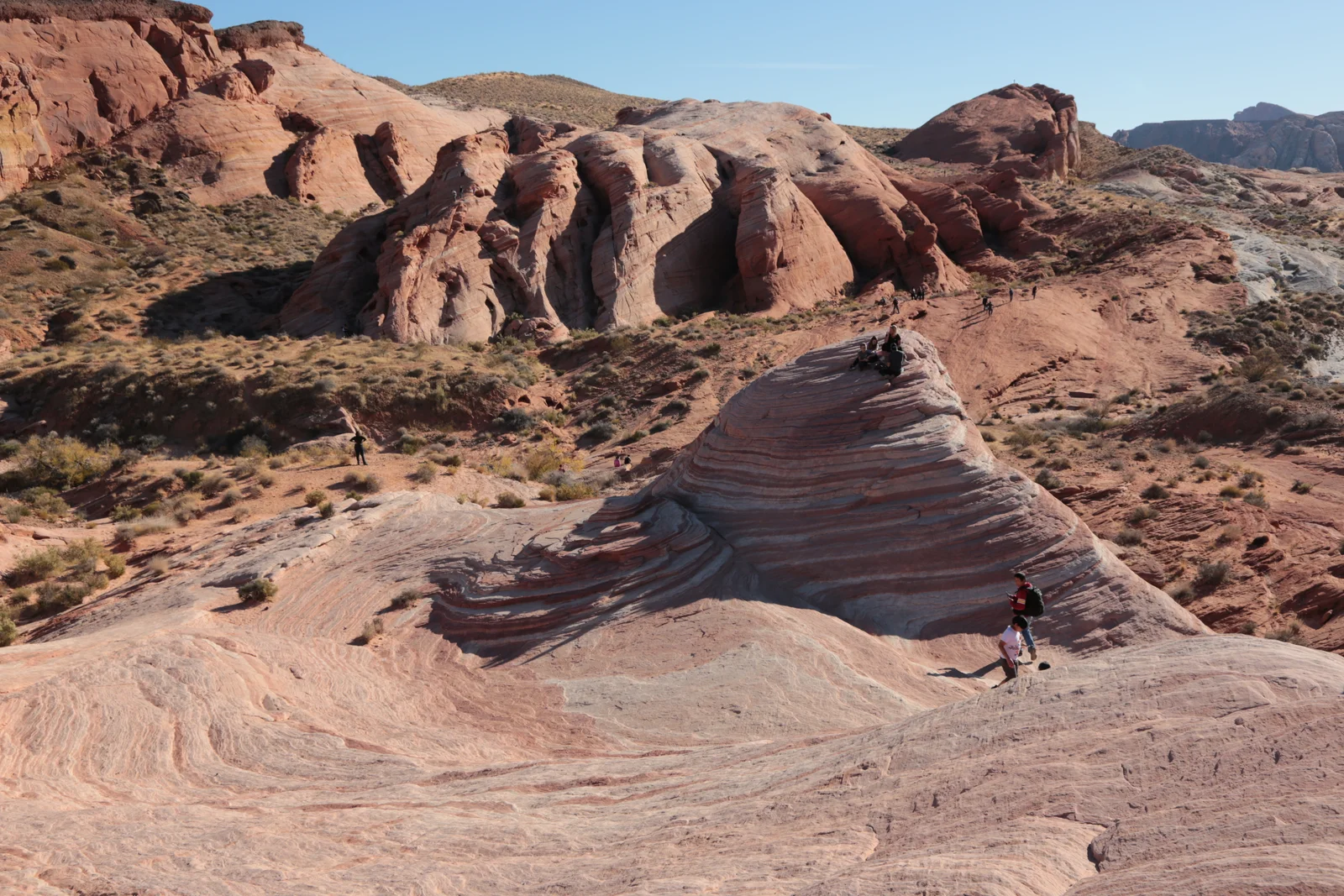
Valley of Fire is the trip I recommend most often to someone visiting the area for the first time. Orange-red outcrops give way to pale bands of sandstone, with petroglyphs and short walks adding variety beyond the drive itself. There is enough to see that the longer journey from Las Vegas feels justified.
In cooler weather, the Fire Wave can anchor the day if the trail is open, with viewpoints and a petroglyph stop around it. The visitor center can help with current conditions. Leave time to enjoy a few places rather than trying to cover every formation, and leave petroglyphs, rocks and artifacts untouched.
Seasonal closures matter here. The official park page lists an annual December 1–14 maintenance closure, with no entry even on foot, and May 15–September 30 closures for trails including Fire Wave and White Domes Loop. A general statement about year-round opening remains on that page, so follow the specific closure notice and confirm dates near it.
Budget and timing: Posted day-use admission is $10 per Nevada vehicle or $15 per non-Nevada vehicle, with no day-use reservation currently required. Allow six to eight hours including the return and finish before the sunset closing time. Dangerous heat is a reason to choose another outing, even if the intended walk is short.
Download maps and arrange return transport before leaving. The park warns that ride-share visitors can be stranded without a return driver, so use a car or a tour with a confirmed journey back.
-
3. Hoover Dam and Boulder City: history without a long hike
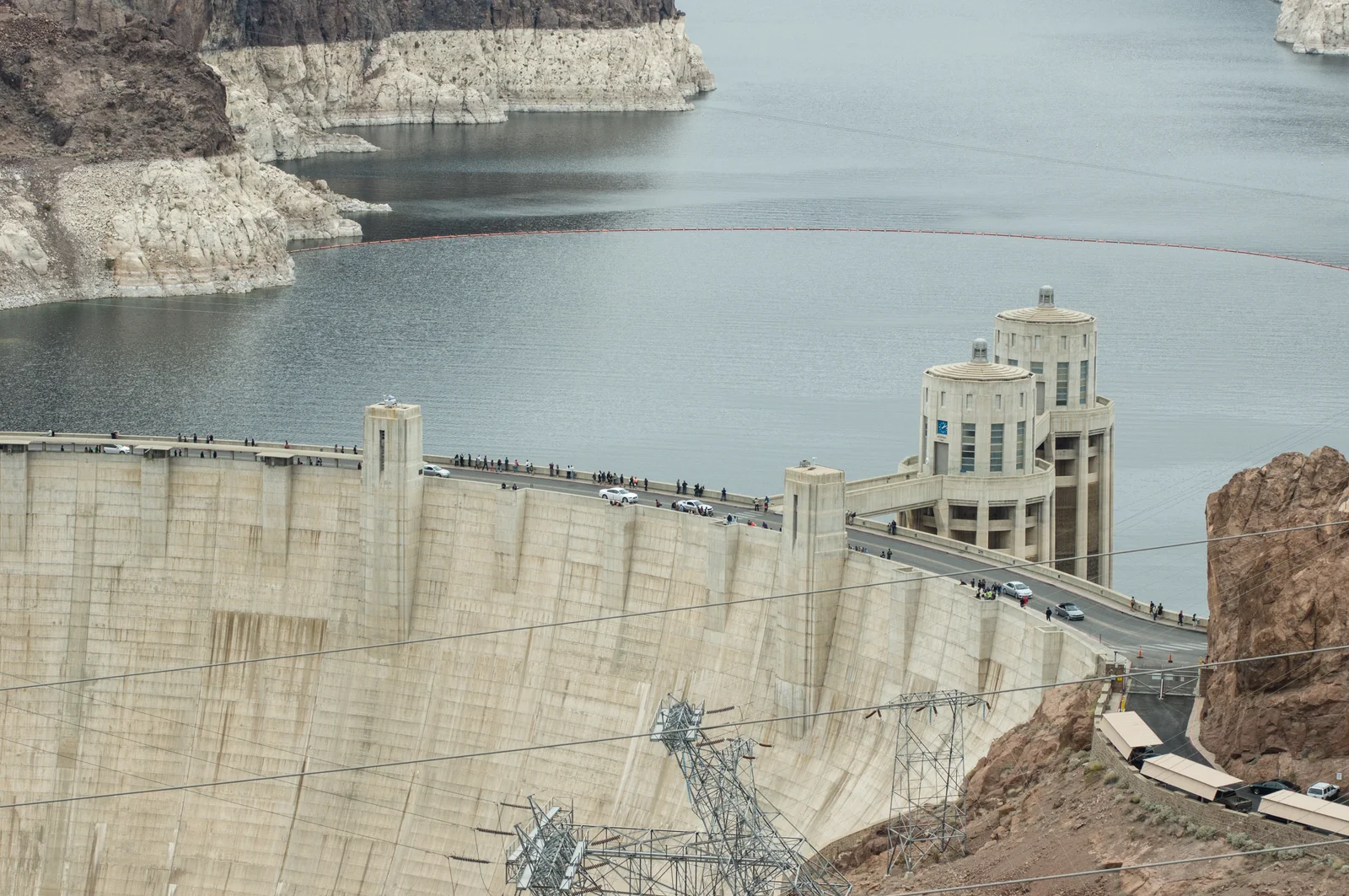
Hoover Dam from the bypass bridge in 2012. Lake levels vary. Hoover Dam is impressive from above, but I found the machinery and tunnels gave the visit more substance than the view alone. A guided tour is worth considering if you enjoy understanding how a place works. It is also a good alternative when a morning on a desert trail doesn't appeal.
Choose the tour before organizing the rest of the day. The Bureau of Reclamation distinguishes the Guided Power Plant Tour from the Guided Dam Tour. The power plant tour is bookable online, while the more extensive dam tour is sold only on site, first come, first served, and routinely sells out.
Budget and access: Posted prices are $25 for the adult power plant tour, $40 for the guided dam tour and $10 per vehicle for the Nevada garage. A national park pass doesn't cover the visitor center or tours. Check the selected tour's age and mobility requirements, particularly for wheelchairs or strollers.
Lunch in Boulder City makes a natural second stop, with four to six hours a reasonable allowance for the outing. A Lake Mead viewpoint can fit if the tour leaves enough time, but don't make a fixed afternoon reservation depend on a dam ticket you haven't secured.
-
4. Mount Charleston: a change of scenery in Kyle Canyon
After several desert outings, I appreciate how different the Spring Mountains feel. Kyle Canyon and the Spring Mountains Visitor Gateway make a manageable introduction, with mountain views and room for a picnic without committing to a summit hike.
The United States Forest Service's Gateway guide covers exhibits, Seven Stones Plaza honoring Southern Paiute heritage and several walking routes. The Kunav Huveap loop is described as stroller-friendly. Staff can help distinguish these shorter walks from more demanding trails higher in the mountains.
Timing: Allow four to six hours for driving, the visitor center and a modest walk or picnic. That doesn't include climbing Charleston Peak. The center lists 9 a.m.–4 p.m. opening with holiday and major-weather exceptions; separate picnic reservations or recreation fees depend on the area chosen.
Bring a layer and check the mountain forecast separately from conditions on the Strip. Summer doesn't make every trail suitable, while winter snow, ice and parking restrictions can change the outing entirely. Check Nevada's road conditions before driving up.
-
5. Lake Mead: lake views and the Historic Railroad Trail
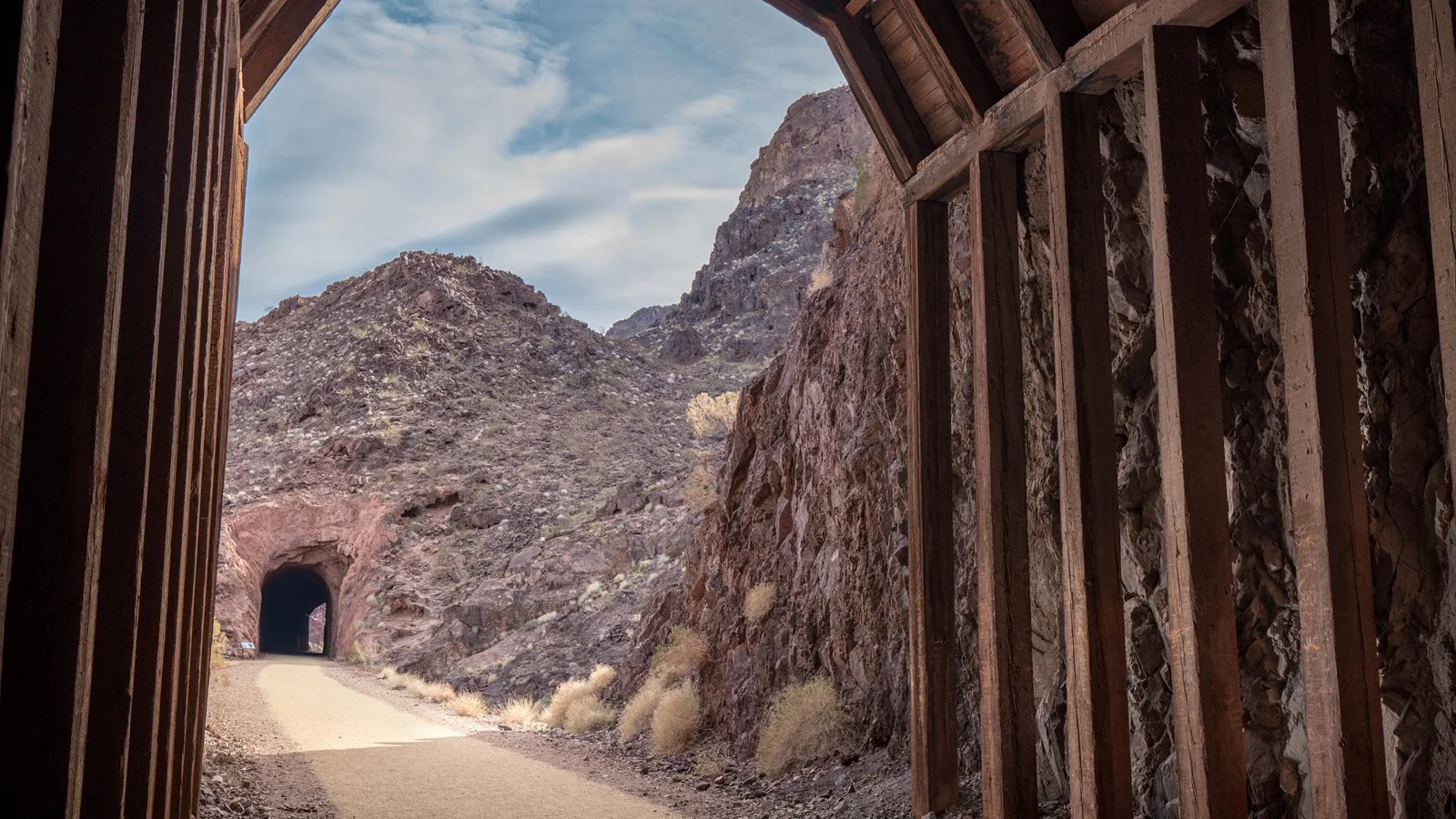
The Historic Railroad Trail follows a former construction route for Hoover Dam. What I like about the Boulder Basin side of Lake Mead is that the day doesn't need a complicated itinerary. A visitor-center stop and a lake view can be enough, with part of the Historic Railroad Trail added if conditions suit. There is no need to hire a boat or walk all the way to the dam to make the visit worthwhile.
The old railroad tunnels connect the walk to Hoover Dam's construction, as the National Park Service's trail guide explains. An out-and-back route allows different walking distances, although the exposed sections still require careful heat planning. Agree on a turnaround time before starting.
Budget and access: Driving into the fee area requires a recreation pass. The official entrance-fee page lists standard passes up to $25 and accepts qualifying interagency passes. Entrance stations are cashless, and the visitor center doesn't sell passes. Water activities have separate bookings and charges.
Allow four to six hours for a standalone visit, or add just a viewpoint to a Hoover Dam day. Check current park conditions before choosing a walk or water stop. Changing reservoir levels mean old photographs aren't a reliable guide to the shoreline or launch access.
-
6. Death Valley: a full day for desert viewpoints
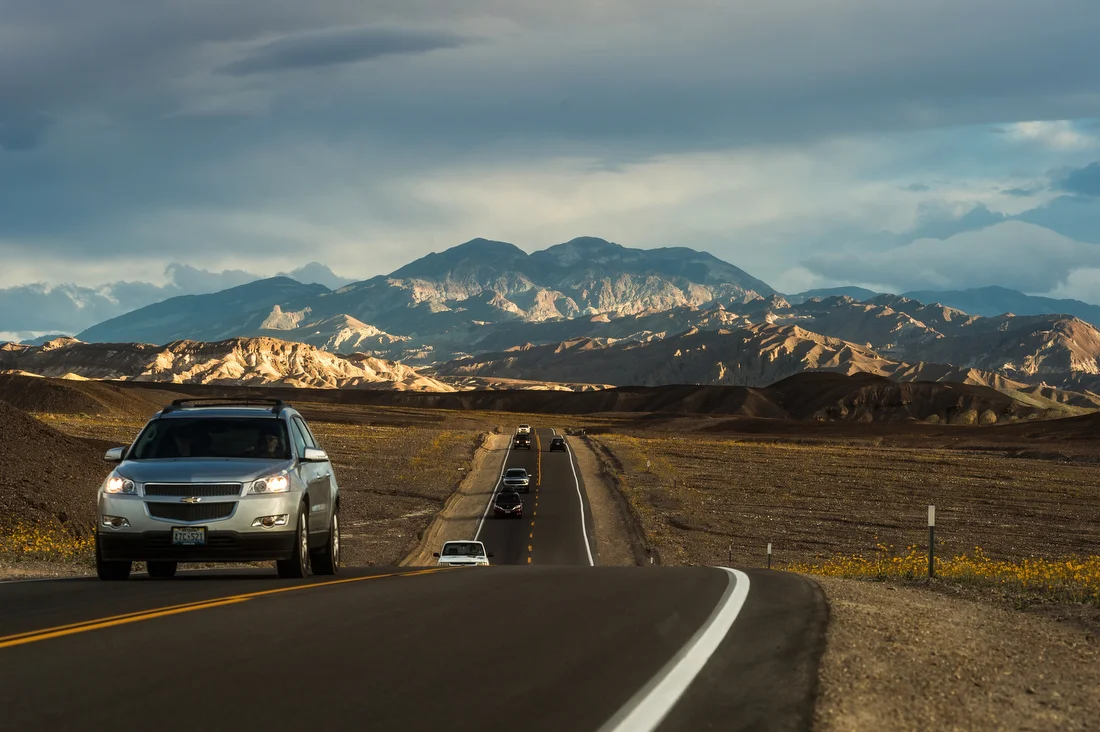
Badwater Road in Death Valley. Distances between stops add driving time inside the park. Death Valley is worth the long day because the landscape changes so much between stops. Folded badlands, salt flats and mountains make it more varied than the name might suggest. I prefer giving a few places enough time rather than adding viewpoints until the day becomes almost entirely driving.
For a first visit, focus on Furnace Creek, Zabriskie Point and Badwater Basin, subject to road access. Add another overlook only if daylight allows. The two-to-two-and-a-half-hour approach excludes driving between sights, so allow 10–12 hours door to door and leave Las Vegas early.
Check the route, not just the park entrance. On October 25, 2026, the park's conditions page listed Beatty Cut-off and access to Ubehebe Crater closed after flooding. Recheck those roads before planning around them, since a navigation app may suggest a closed or unsuitable shortcut.
The official driving guidance warns of unreliable navigation and limited phone service. Fuel up before remote stretches, download maps and stay on suitable paved routes. The park lists standard entrance passes from $15 to $30, accepts qualifying passes and doesn't accept cash.
In extreme heat, choose another outing. The National Park Service advises against low-elevation hiking when it is hot. An air-conditioned car doesn't remove the risks of a breakdown far from help.
-
7. Grand Canyon West: canyon views within a long day
For a canyon visit with a same-day return to Las Vegas, I recommend Grand Canyon West. Eagle Point, Guano Point and the optional glass Skywalk give the day a clear focus without the much longer drive to the South Rim. This is on the Hualapai Reservation, not inside Grand Canyon National Park, so the tickets and directions are different.
The Hualapai operator's destination guide separates viewpoints and activities. Check whether your package includes the Skywalk, food or optional activities. A national park pass doesn't cover this separately operated destination.
Timing: Allow roughly two to two and a half hours each way from the Strip and nine to eleven hours overall, including parking, shuttles and viewpoints. The operator describes a two-hour approach, but hotel location and stops can lengthen it. Check current hours and directions, including the local Arizona time used for admission.
Keep this a one-destination day. A quick Hoover Dam photo stop may fit, but an interior dam tour and a long lunch leave little margin. The classic South Rim landscape deserves a separate trip with more time.
What about Zion and the Grand Canyon South Rim?
Zion is possible in a day, but I prefer an overnight. The roughly three-hour drive each way to Springdale is only part of the journey. Parking and the canyon shuttle take additional time, and private cars can't use Zion Canyon Scenic Drive during shuttle season. The official shuttle guide puts the ride to the last stop at about 45 minutes each way, before walking or waiting.
For a one-day visit, choose one modest activity rather than several major hikes. Utah is an hour ahead of Nevada, and admission costs also need checking. Zion's posted entrance rules include an additional $100 per non-United States resident aged 16 or over unless admitted with an Annual or America the Beautiful Pass.
The South Rim is a separate trip from Grand Canyon West. At roughly four and a half to five hours driving each way before stops or queues, an overnight makes a self-drive visit much more rewarding. Long organized tours exist, but ten hours behind the wheel leaves little time at the canyon itself. Use the national park's South Rim directions, not the Grand Canyon West address.
Two simple ways to plan the day
A half-day with dinner back in Las Vegas
Reserve morning entry at Red Rock and leave the Strip with a traffic buffer. After the visitor center, take the Scenic Drive with one short walk and a few overlooks. Returning for a late lunch leaves the afternoon free, which is why I prefer this plan when there is a show booked for the evening.
A full desert day in cooler weather
Leave after an early breakfast for Valley of Fire with a picnic, choosing the main walk around the forecast and current openings. Roadside formations and a petroglyph stop can fill the rest of the visit before heading back ahead of sunset. Save Red Rock for another day rather than driving across the valley to combine both parks.
For a history-focused version, substitute Hoover Dam and Boulder City, adding a Lake Mead viewpoint only if the tour leaves a comfortable margin.
Before you leave the Strip
- Arrange return transport. A rental car offers flexibility. For a tour, check pickup, total duration, time on site and included fees. Don't rely on finding a ride-share driver at a remote park.
- Match the outing to the weather. Cooler months generally suit desert walking. Mountain conditions need a separate forecast, and storms and flash-flood warnings matter as much as heat.
- Carry supplies. Bring water, food, offline maps, sun protection and suitable shoes, with extra water in the car and enough fuel for detours.
- Check admission rules. A federal annual pass doesn't cover Nevada state parks, Grand Canyon West or Hoover Dam tours. Reservations, attraction tickets and commercial tours may be separate.
- Leave a return buffer. Red Rock or Hoover Dam is a safer fit around a fixed dinner or show than one of the longest outings.
For a trip built around a soak, my guide to hot springs near Las Vegas covers both developed pools and natural springs. The canyon routes need more preparation than a scenic drive, so choose according to the day you actually want to have.
Common questions about Las Vegas day trips
What is the best day trip from Las Vegas?
My pick is Valley of Fire for a full day of desert scenery in suitable weather, outside closures. Red Rock fits a half-day more easily, while Hoover Dam is a good alternative for engineering and history.
Can you visit the Grand Canyon and return to Las Vegas the same day?
Yes. Grand Canyon West is roughly two to two and a half hours away each way. The South Rim takes around four and a half to five hours each way, which is why I prefer an overnight there. These destinations have different entrances, operators and admission arrangements.
Can you take these trips without renting a car?
Organized tours can work, provided return transport is confirmed. Read the full itinerary for the viewpoints, walks and admissions included. Ordinary city transport doesn't provide a complete visit to these remote parks.
Should you combine Red Rock Canyon and Valley of Fire?
I prefer giving each its own outing. They sit on different sides of Las Vegas, so combining them trades time at the parks for more driving. Hoover Dam, Boulder City and a nearby Lake Mead stop fit together more naturally.
Photo credits
- Fire Wave hero: Daniel Schwen / Wikimedia Commons, Creative Commons Attribution-ShareAlike 4.0. Resized and converted to WebP; the adapted image retains that license.
- Hoover Dam, photographed April 2012: Adam Kliczek, memoriesstay.com, Creative Commons Attribution-ShareAlike 3.0. Resized and converted to WebP; the adapted image retains that license.
- Historic Railroad Trail: National Park Service / A. Cattoir. Resized and converted to WebP.
- Badwater Road: National Park Service / Kurt Moses. Resized and converted to WebP.


No claim to original United States Government works. Historical photographs do not establish current trail, road or water conditions.